Your industries

Restaurants and fast food

Carrying dishes to the dining room, bussing tables, keeping the floor clean between services. Korben robots for your restaurant's day-to-day.

Let’s talk about your site
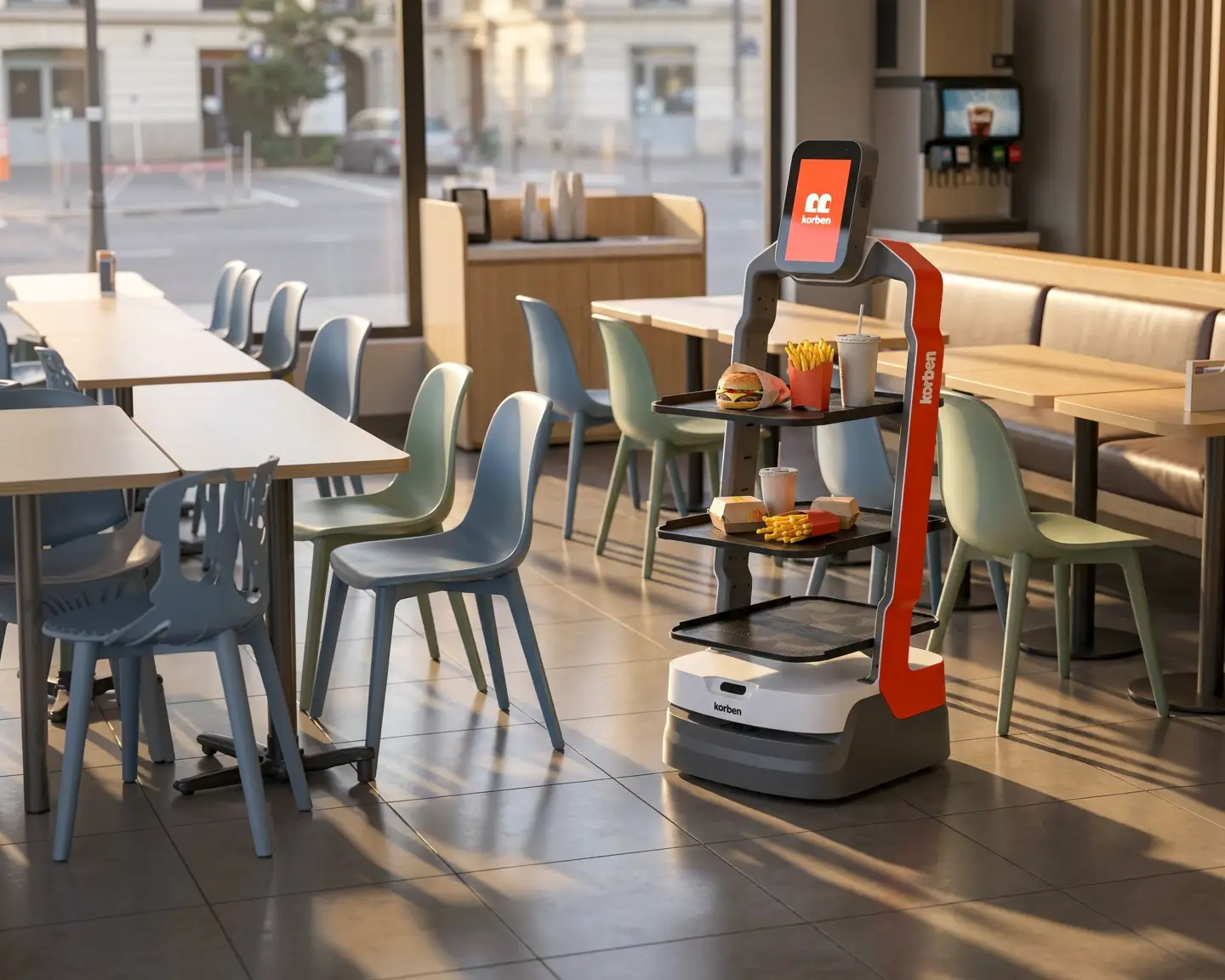
A Korben Delivery carries trays of orders through a fast-food dining room

Three needs

Serve, clear, maintain.

A restaurant runs on the rhythm of the rush. One example in a fast-food restaurant, and how Korben robots make the team's day-to-day simpler.

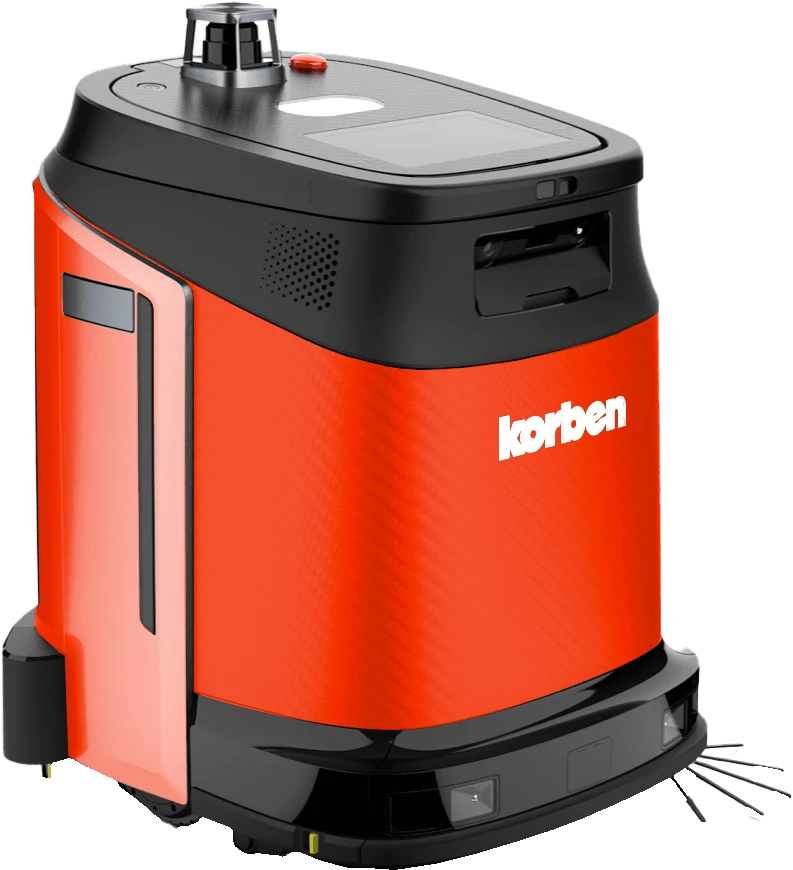
Korben Delivery Carry Bot11:00 AM Delivery

The morning delivery

Food supplies come in through the storeroom. Everything has to be carried to the kitchen, crate after crate.

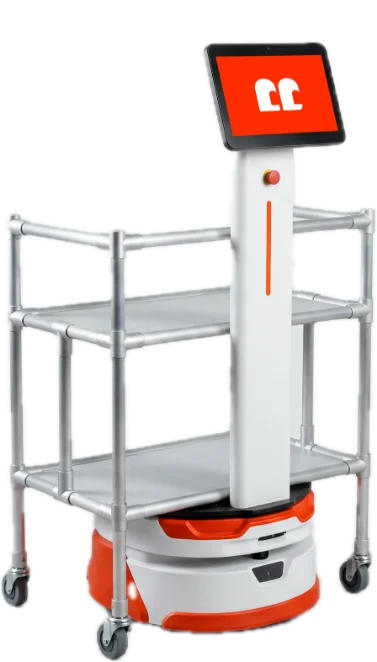
Delivery Carry Bot. Less heavy lifting for your teams. You load it, it makes the trips, up to 150 kg.

See the spec sheet
Korben Delivery12:30 PM Delivery

The rush

Every table at once. Service has to be fast, and there's a lot of it.

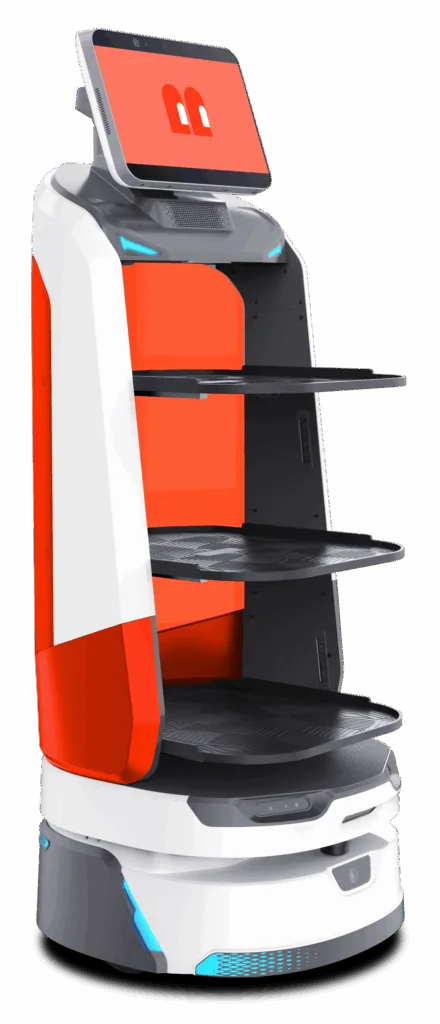
Delivery. Service keeps pace. It shuttles back and forth, tray after tray, while your teams stay with the customers.

See the spec sheet
Korben TriBot2:30 PM Sorting

After service

The dining room empties, trays stay on the tables and trash piles up.

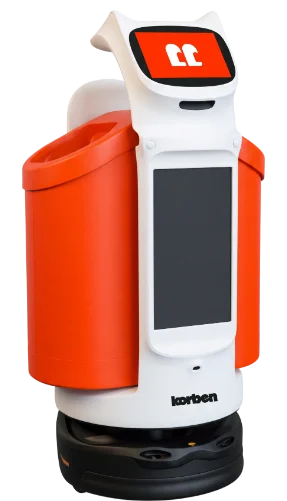
TriBot. It comes right up to the tables: customers drop off their trash without crossing the dining room, and sorting happens as it goes.

View spec sheet
Korben Delivery Pro7:30 PM Delivery

Evening service

The second rush, often longer. Orders head out to the dining room, the patio, sometimes upstairs.

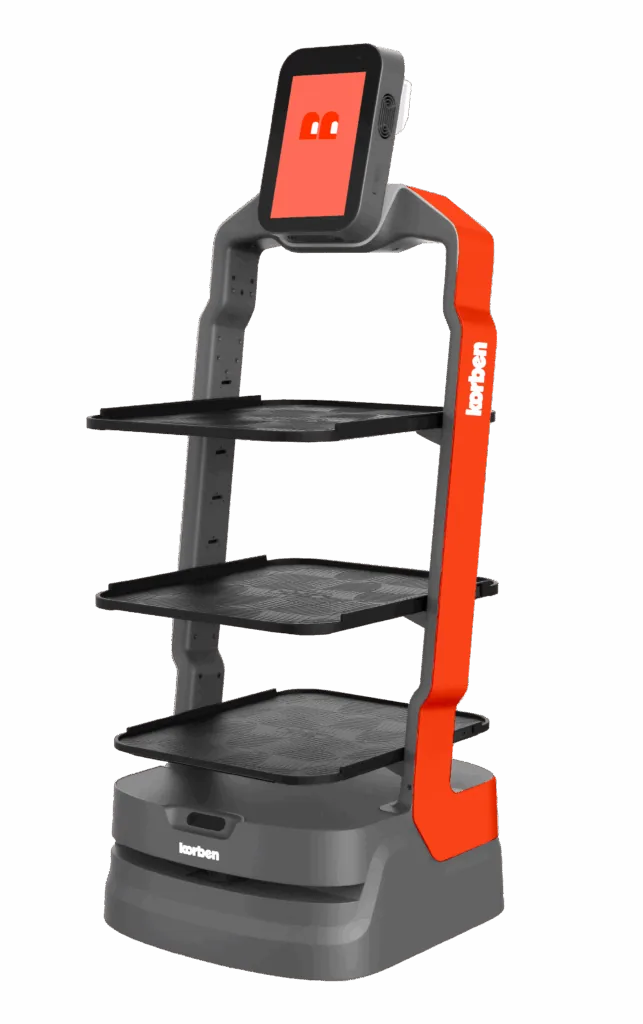
Delivery Pro. Your servers stay on the floor, with the tables. It makes the trips to and from the kitchen, up to 60 kg.

View spec sheet
Korben Cleaning Phantas11:30 PM Cleaning

Closing

Service is over. Now the dining room, the patio and the walkways can be cleaned without working around anyone.

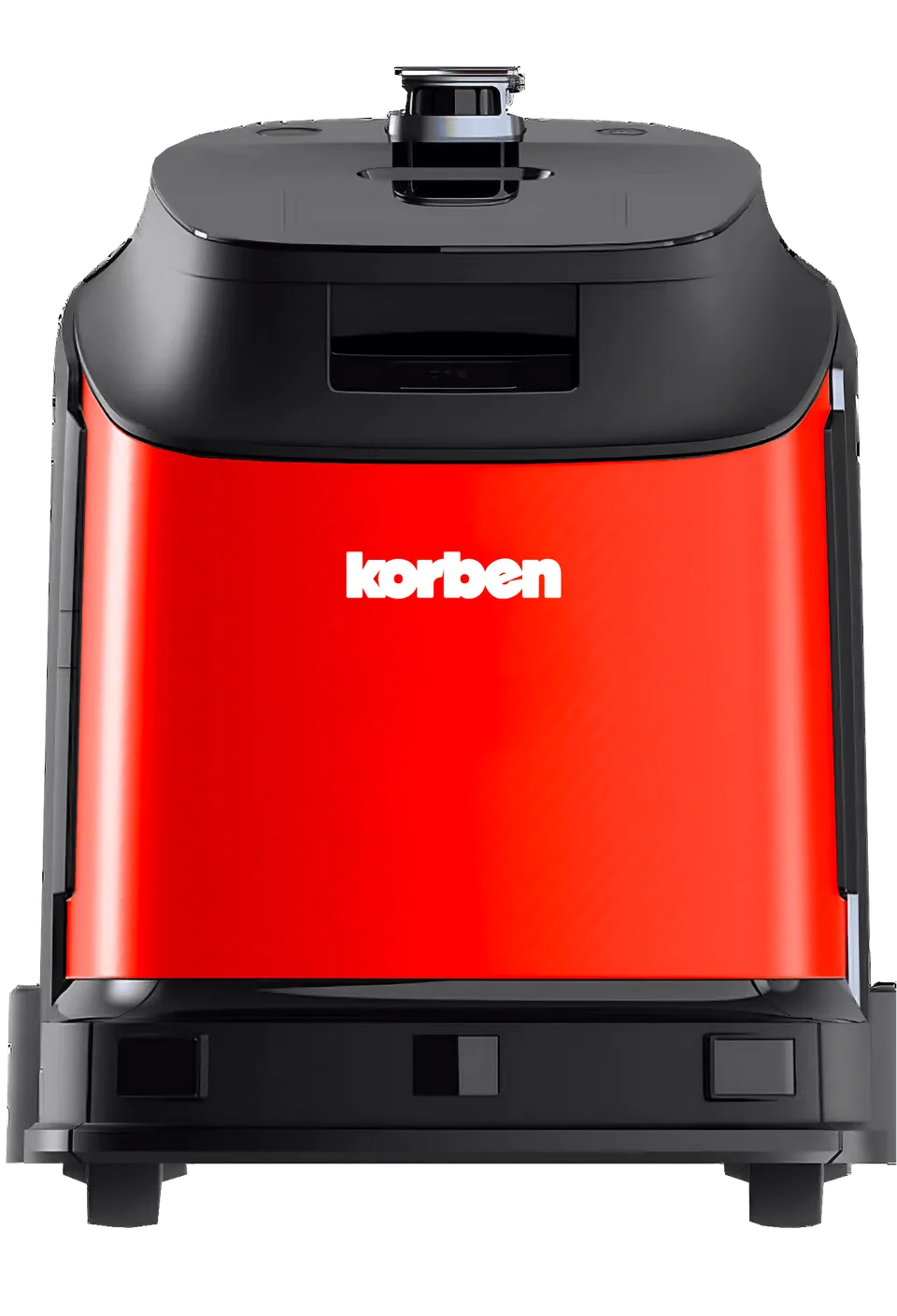
Cleaning Phantas. The team leaves without waiting for the cycle to finish. It cleans after closing, then returns to its base.

View spec sheet

From trial to daily use

  1. Prepare the site

    Together with your team, we identify the zones to cover, the routes and the best schedules.

  2. Install and train

    We configure the robot, test it in real conditions and train your team to use it.

  3. Provide follow-up

    After commissioning, our team stays available for follow-up and maintenance. Our after-sales service is based in Yvelines.

Leasing means nothing paid upfront; buying means you own the robot. Service is included in both. Compare the two options

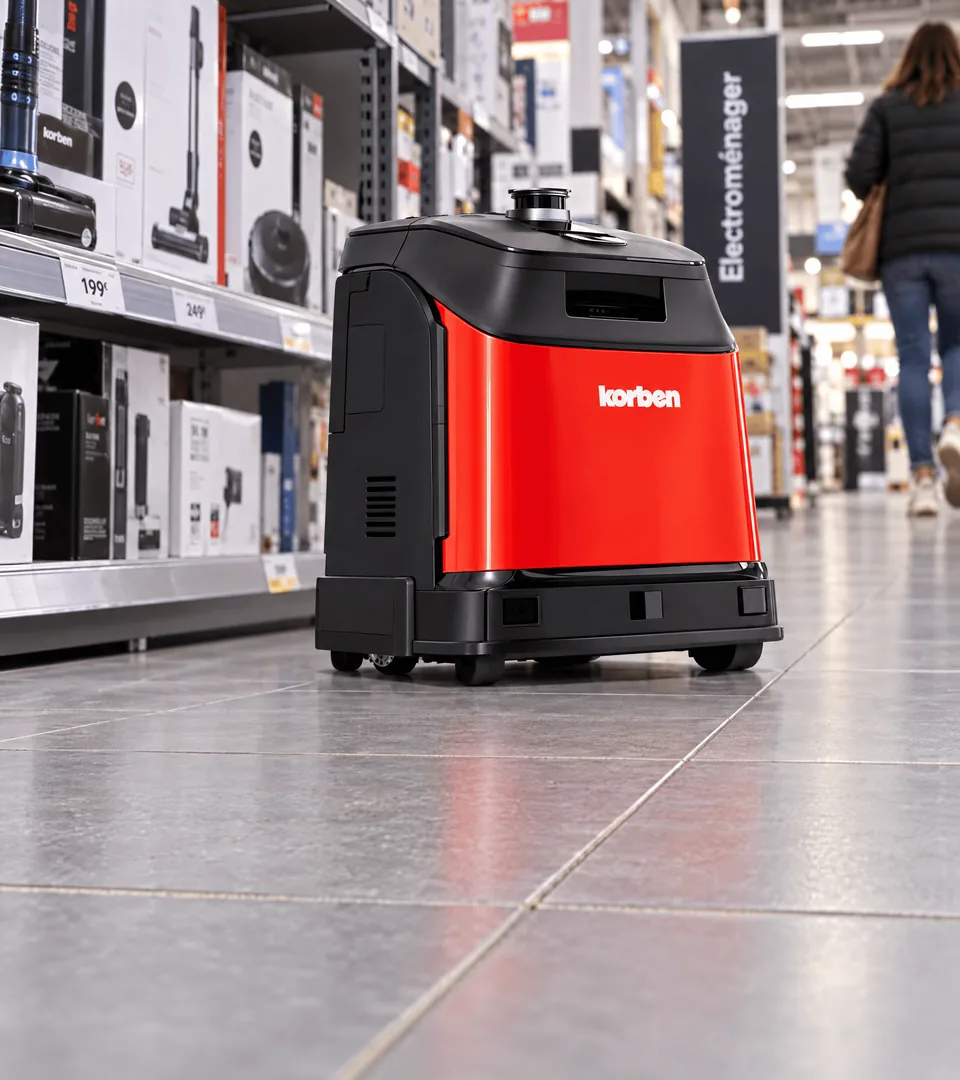
A Korben in mid-service.

From loading to service

Put the trays on, it goes, it comes back.

In a full dining room

Customers and servers around: it detects them, slows down and goes around.

Tray after tray

It runs trip after trip without anyone having to restart it.

It returns to its base

Charges on its own between rushes.

Arrange a trial

The best argument
is a trial.

A Korben expert visits your restaurant, looks at your dining room and service hours, and shows you the robots in action.

Arrange a trial

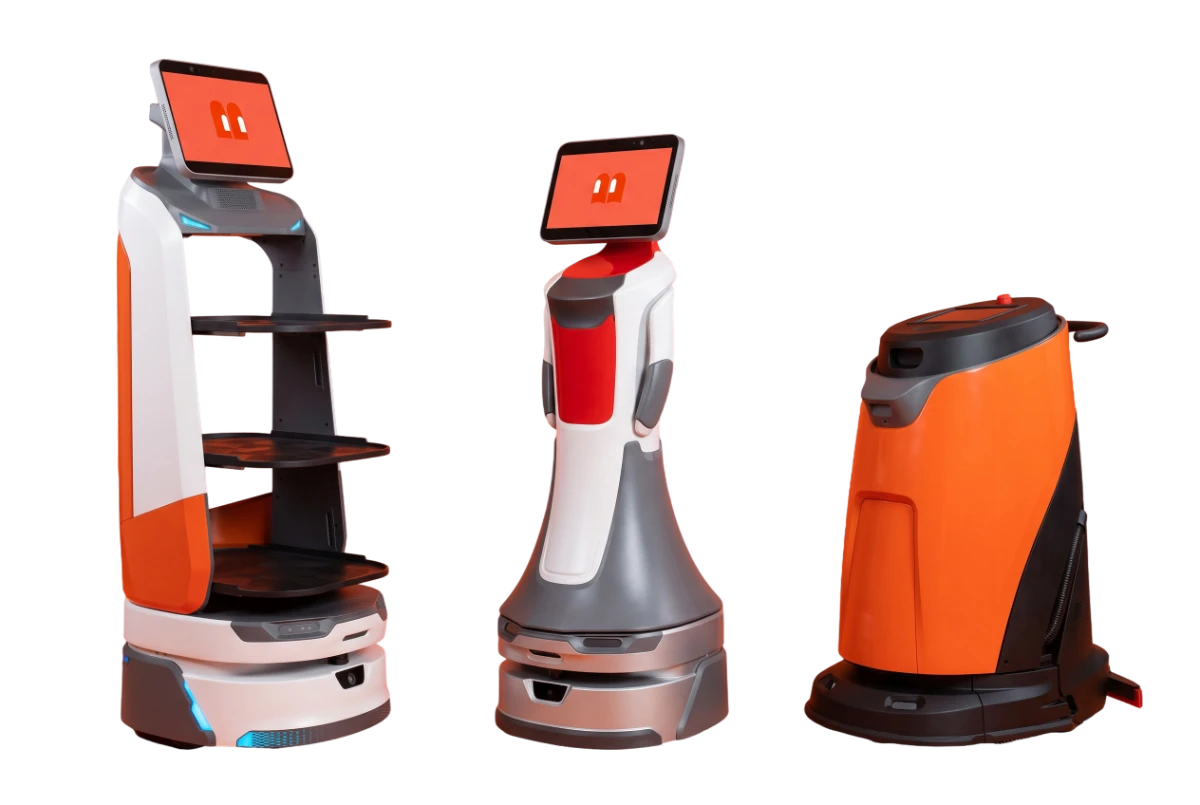
Three Korben robots side by side: a delivery robot, a reception robot and a scrubber-dryer

FAQ

What people ask us.

Can the robot move around during service?

Yes, that’s what it’s built for. It detects people and obstacles, slows down and goes around them. No floor markings, no zones to close off.

What about a tight dining room, with chairs that move?

The clearance needed depends on the model; it's checked against your floor plan during the assessment. It's the first thing an expert looks at.

Does it serve customers directly?

It carries orders to the table; your team serves and talks with customers. The robot makes the trips, not the service.

What about the kitchen and the dishwashing area?

These zones are declared during mapping. The robot doesn’t go there.

What happens if someone spills something?

Emergency cleanup stays manual. The robot handles the routine: scheduled runs, at the times you've chosen.

Who installs it, and who supports the teams?

Korben handles commissioning, mapping of the dining room and training for your teams. Support can be reached directly.

Leasing or buying: what’s the difference?

Leasing means nothing paid upfront; buying means you own the robot. Service is included in both.

  • Leasing. Nothing to pay upfront at installation; a single budget line, known in advance; monitoring, updates and support included.
  • Purchase. The robot is paid for in full and goes on your balance sheet; a monthly fee covers monitoring, updates and support; no minimum term on the service.
  • Included in both options. Site mapping; commissioning and setup; team support; task reports and follow-up; after-sales service in France, based in Yvelines.
Where do the robots work?

A restaurant is made up of very different spaces. Here is how your Korben robots can share them, and where they cross paths.

  • Dining room and patio. Service runs back to back and the floor takes it: crumbs, spills, foot traffic. Service keeps going without a break: Delivery Pro carries dishes to the tables, Cleaning Phantas keeps the floor clean between services.
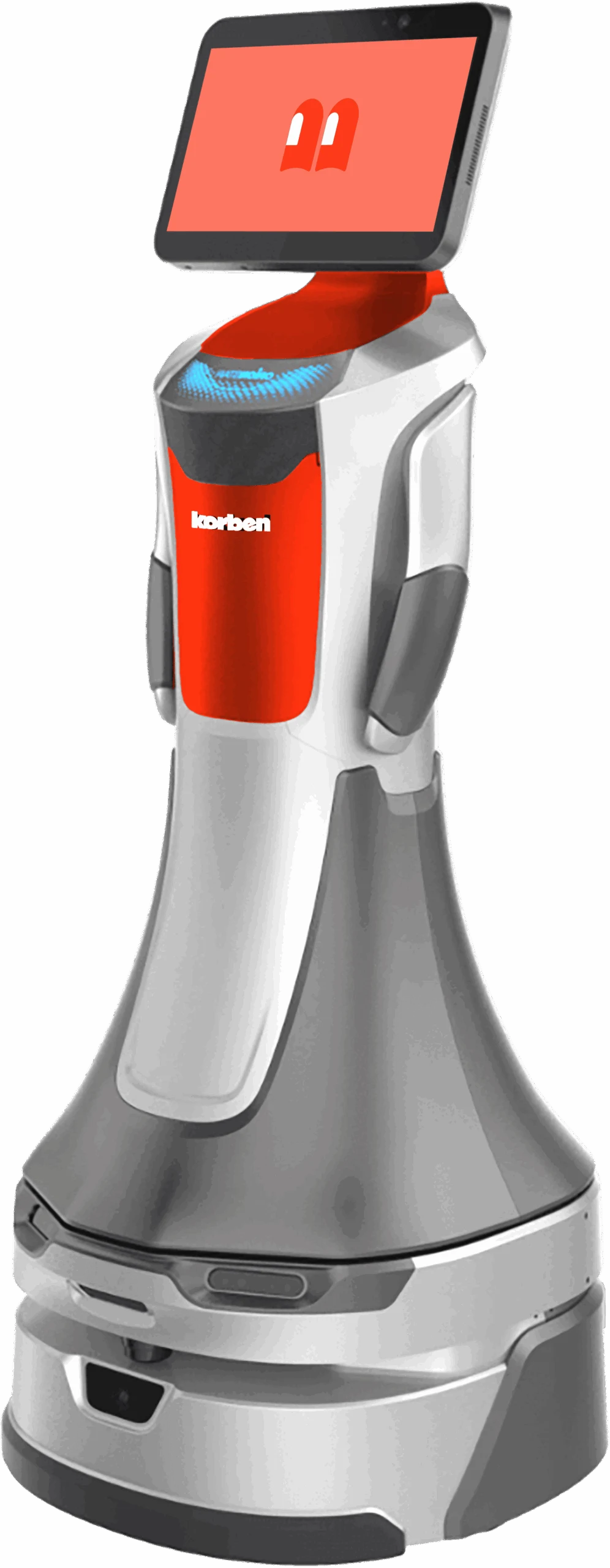
  • Entrance and counter. The first contact, and often the line. Welcome Mini sits at the end of a counter: a wide-angle camera and six microphones to spot arriving customers and answer them.
  • Around the tables. Trays, packaging, cups: it piles up fast at peak hours. TriBot comes right up to the tables with its two bins: everyone throws things in the right place, and sorting happens at collection.
  • Pass and kitchen access. The most repeated trip of the service, dozens of times a day. Delivery makes that trip for you: 10 kg per tray, enough to take out a whole order in a single trip.
  • Storeroom and dishwashing. Bins go down, come back up, go down again. Nothing piles up at the end of service: Delivery Carry Bot pulls heavy loads, Delivery Pro makes the trips between the storeroom and the kitchen.
  • Zones you exclude. You choose where your Korben robots don’t go. It’s set during mapping.