Does the robot go into the rooms?
No. Residents’ rooms and care areas are declared off-limits during mapping. The robot doesn’t go there, unless you decide otherwise.
Does it look after the residents?
No, and that’s not what it’s made for. It carries, it cleans and it collects. Caring for residents stays entirely with your teams.
Can it move around residents, wheelchairs and walkers?
Yes, that’s what it’s built for. It detects people and obstacles, slows down and goes around them. No floor markings, no corridors to close off.
What about noise during rest hours?
The noise level depends on the model; it’s measured at your site during the assessment. Time slots are then chosen with you to keep rest times quiet.
How does it get between floors?
Getting from one floor to another depends on your building. It’s the first thing an expert checks on your floor plan, before any proposal.
Who installs it, and who supports the teams?
Korben handles commissioning, facility mapping and support for your teams.
Leasing or buying: what’s the difference?
Leasing means nothing paid upfront; buying means you own the robot. Service is included in both.
- Leasing. Nothing to pay upfront at installation; a single budget line, known in advance; monitoring, updates and support included.
- Purchase. The robot is paid for in full and goes on your balance sheet; a monthly fee covers monitoring, updates and support; no minimum term on the service.
- Included in both options. Site mapping; commissioning and setup; team support; task reports and follow-up; after-sales service in France, based in Yvelines.
Where do the robots work?
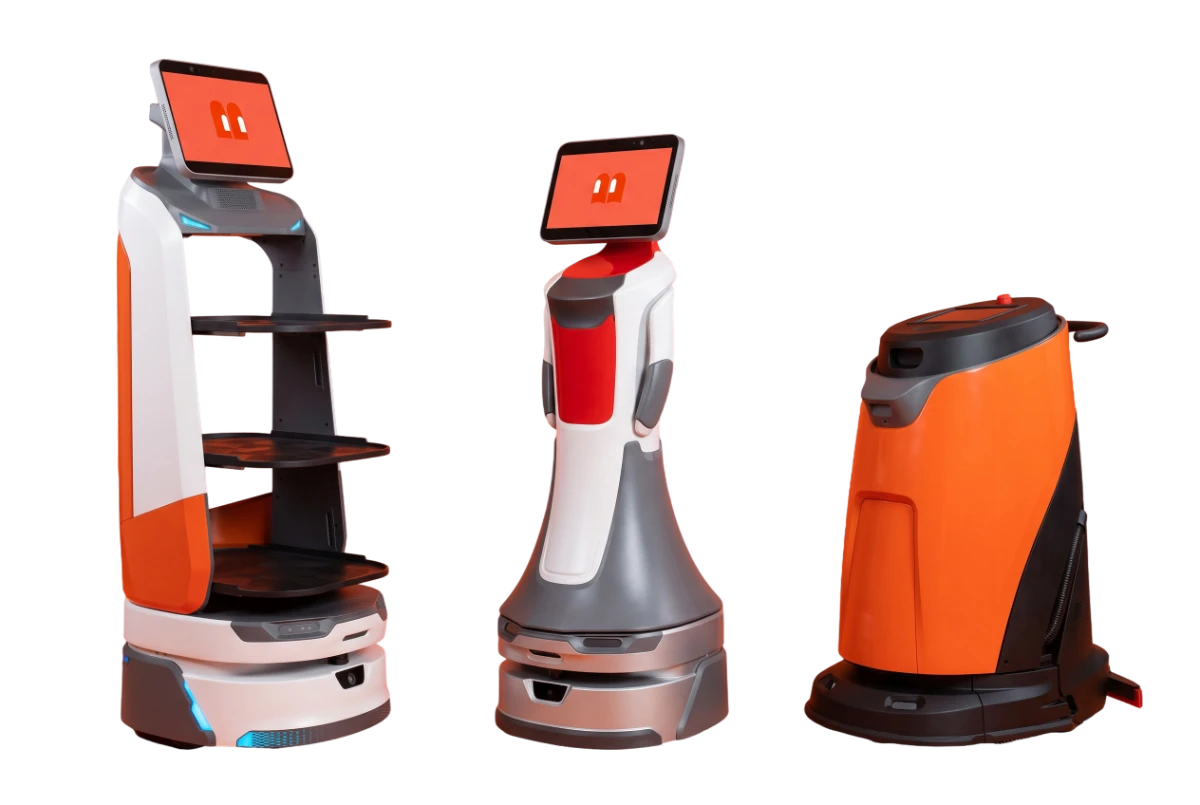
A facility is made up of very different spaces. Here’s how your Korben robots can share them, and where they cross paths.
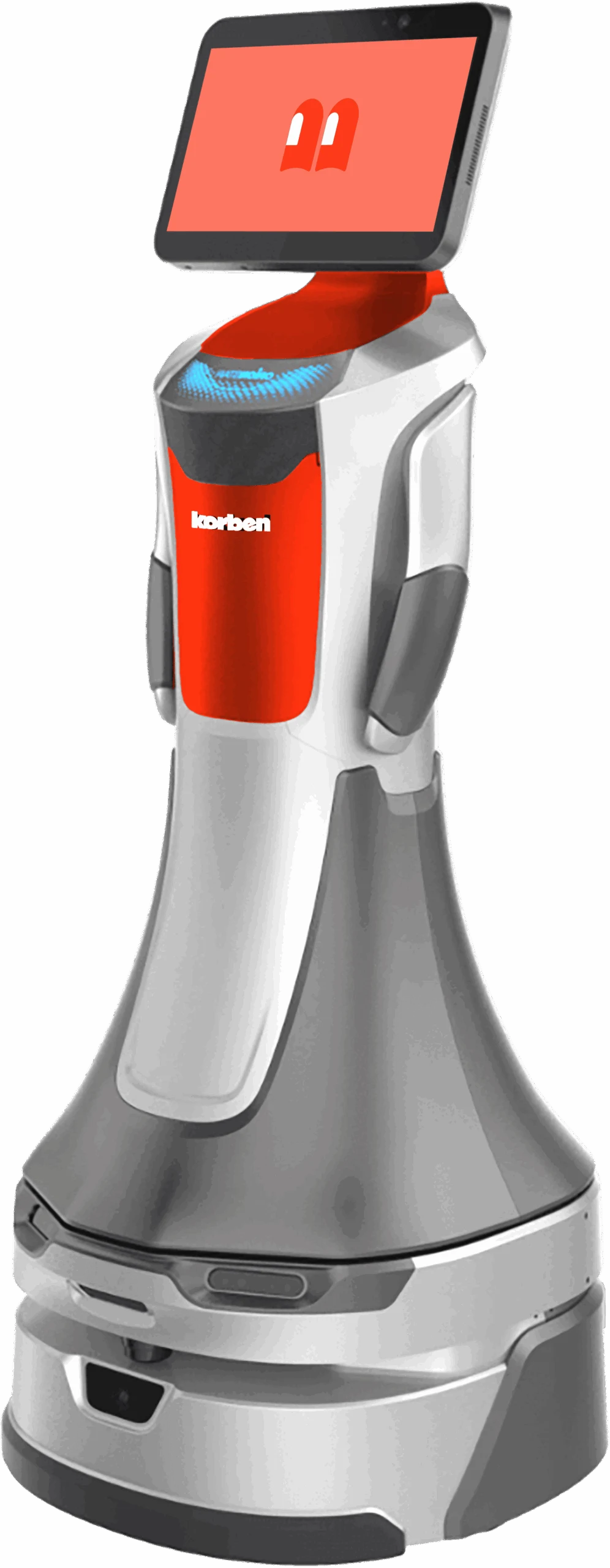
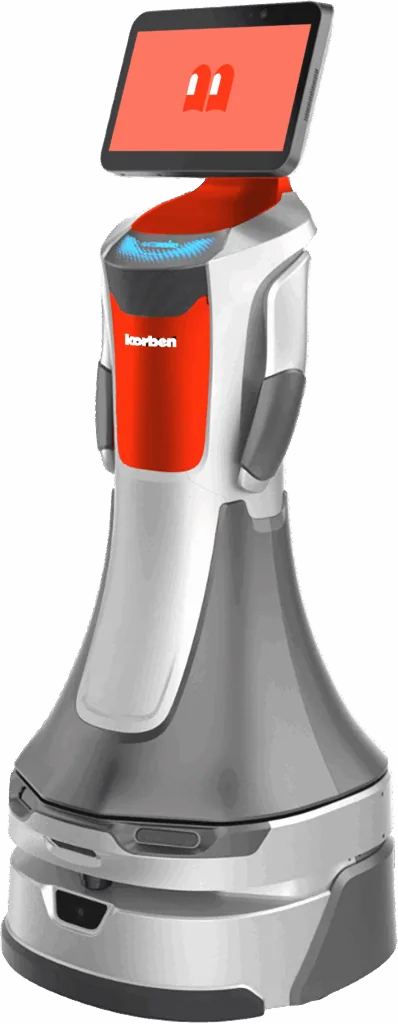
- Entrance and hall. Families, visitors, outside providers: this is where the first question comes up. An arriving family doesn’t have to look for the way: Welcome Nova walks them to the right floor, Welcome Mini fits on a reception desk.
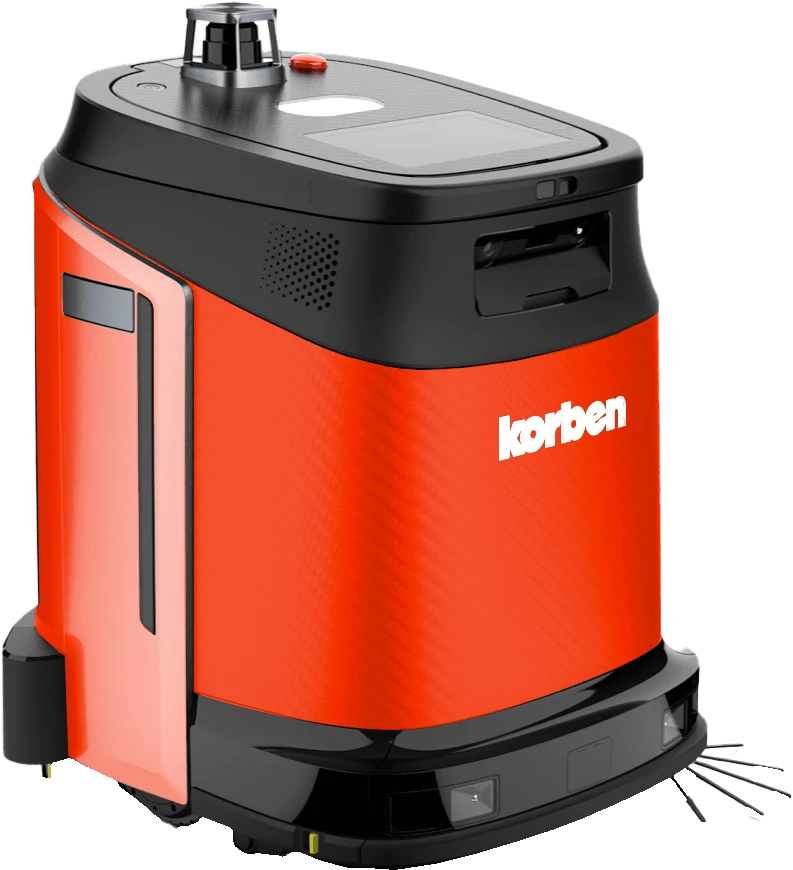
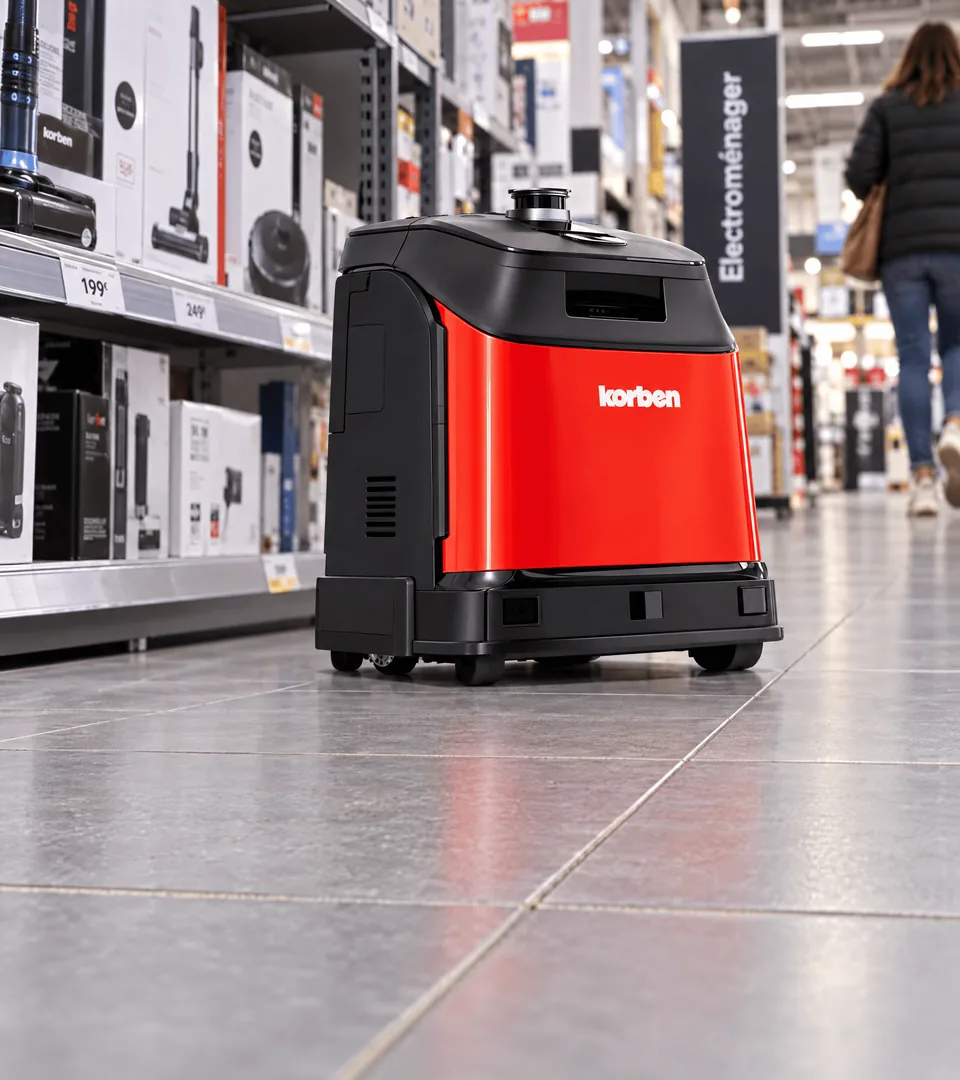
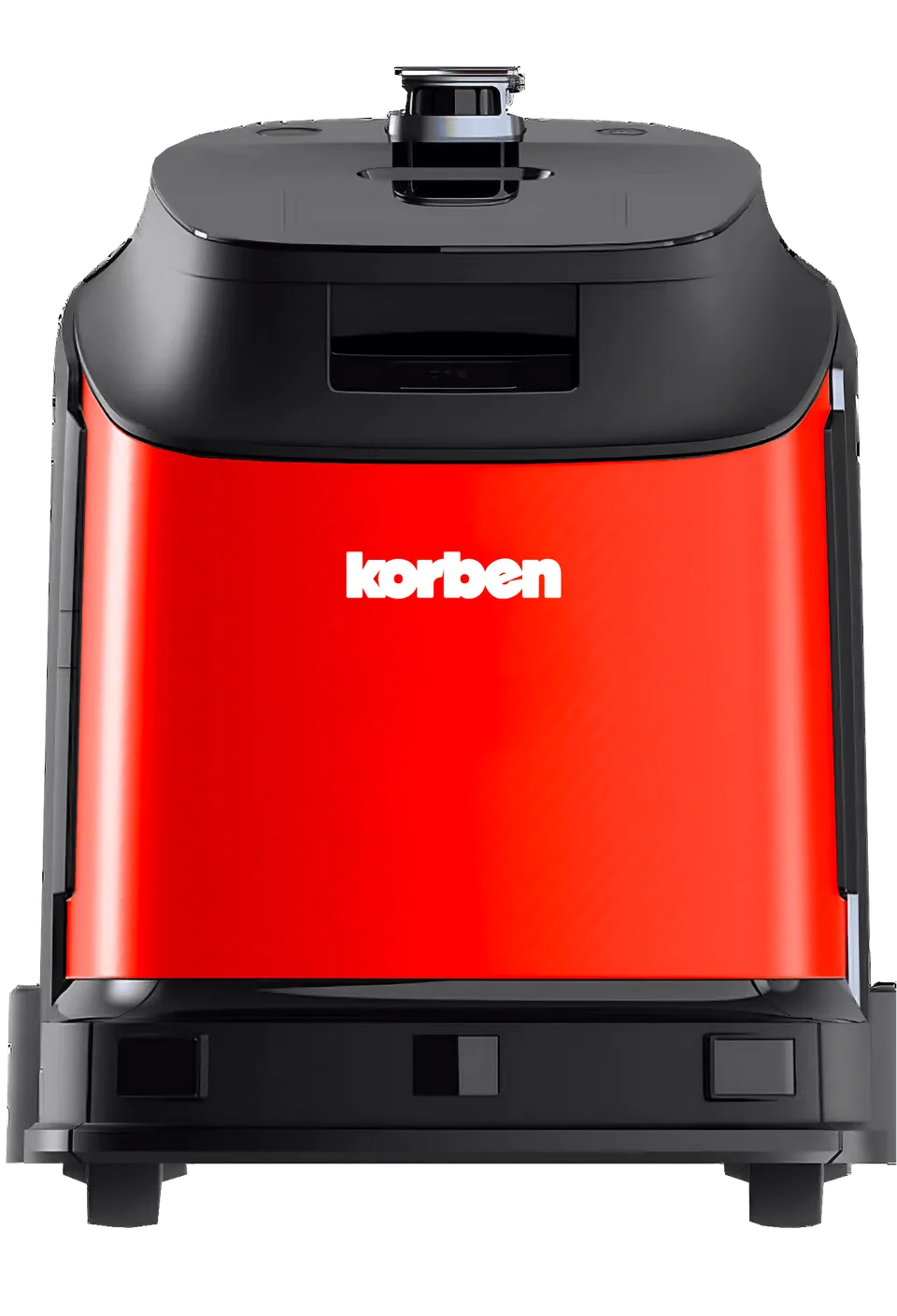
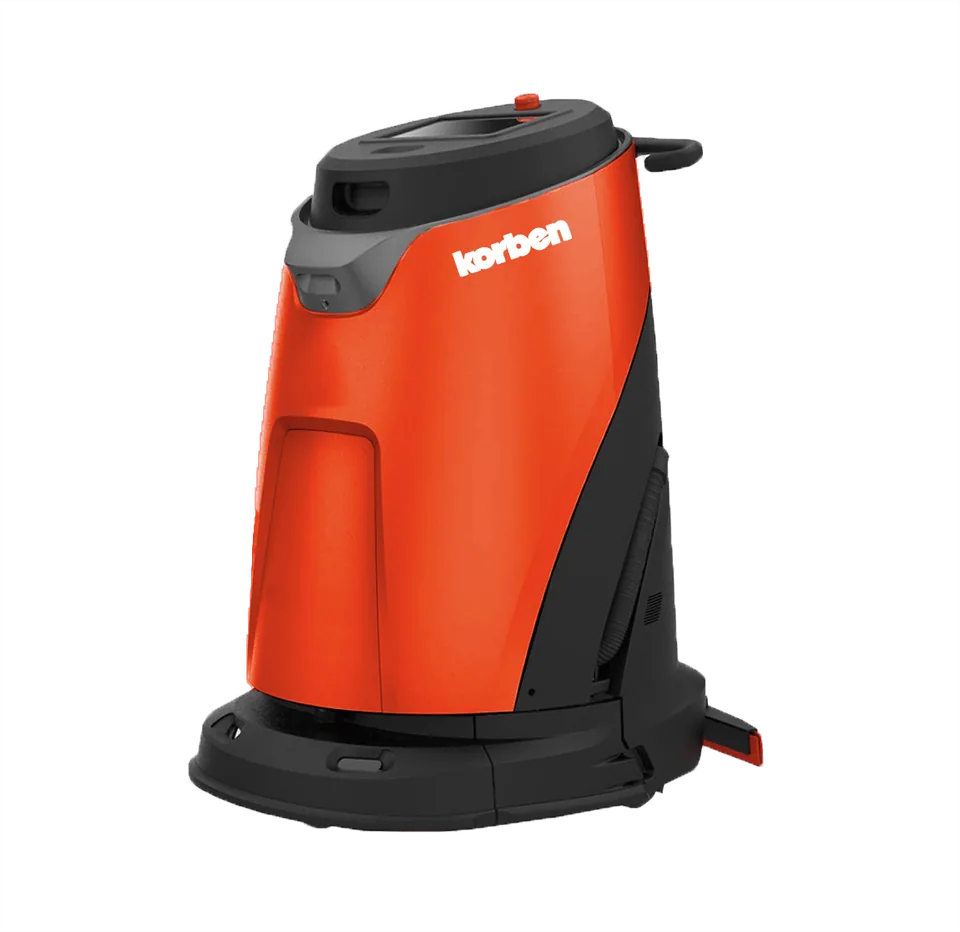
- Corridors and passageways. The routes everyone takes, from morning to night. Cleaning Phantas does its rounds during quiet hours: it scrubs, vacuums and sweeps on its own, while your teams stay with the residents.
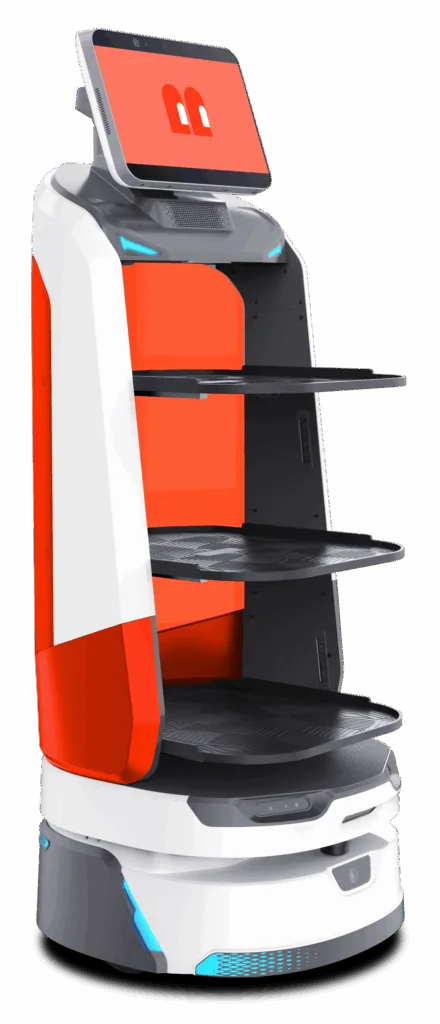
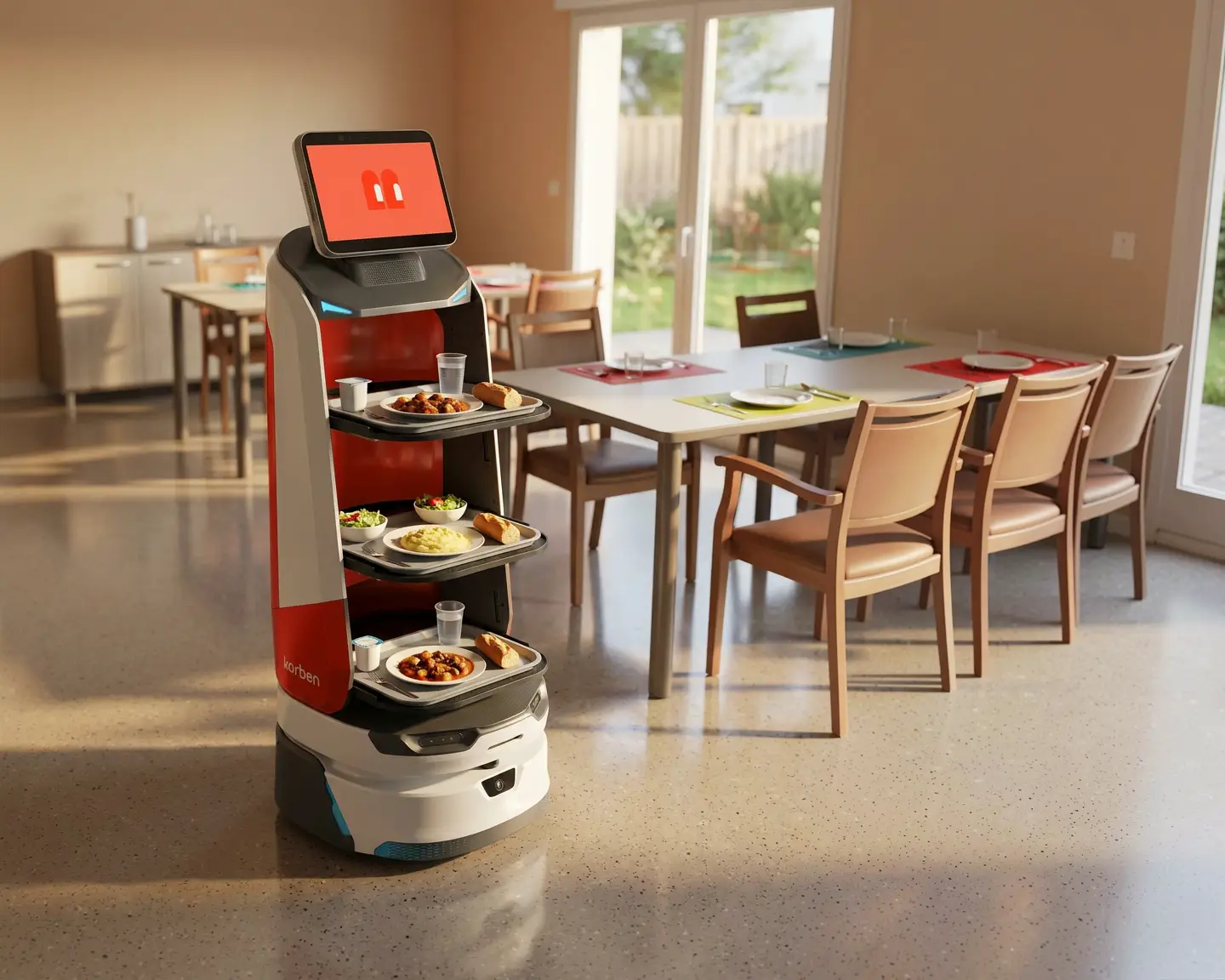
- Laundry room and storeroom. The starting point for everything that moves around the facility. Delivery Pro carries linen and supplies on its trays, up to 60 kg, and takes them up to the floors: your teams no longer make the trips.
- Floors and service rooms. Floors to keep clean, and deliveries that must not be opened on the way. Hallways are kept clean and deliveries arrive closed: Cleaning Phantas cleans the floors on its own, Delivery Pro Autodoor keeps its doors locked until the recipient enters their code.
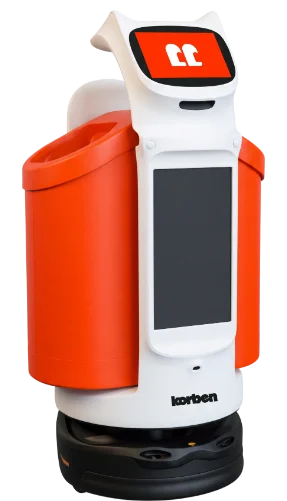
- Dining room and lounges. Three meals a day, and living spaces in use in between. The dining room is ready for the next meal: Cleaning Phantas goes over the floor, Delivery Pro brings the trays, TriBot comes to the tables so everyone can drop in what they have.
- Zones you exclude. You choose where your Korben robots don’t go. It’s set during mapping.

 Your industry
 6:30 AM Cleaning
 12:00 PM
 3:00 PM
 8:30 PM