 Your industry
Table service
Dishes go out to the dining room and the plates come back, without anyone making the same trip all evening.
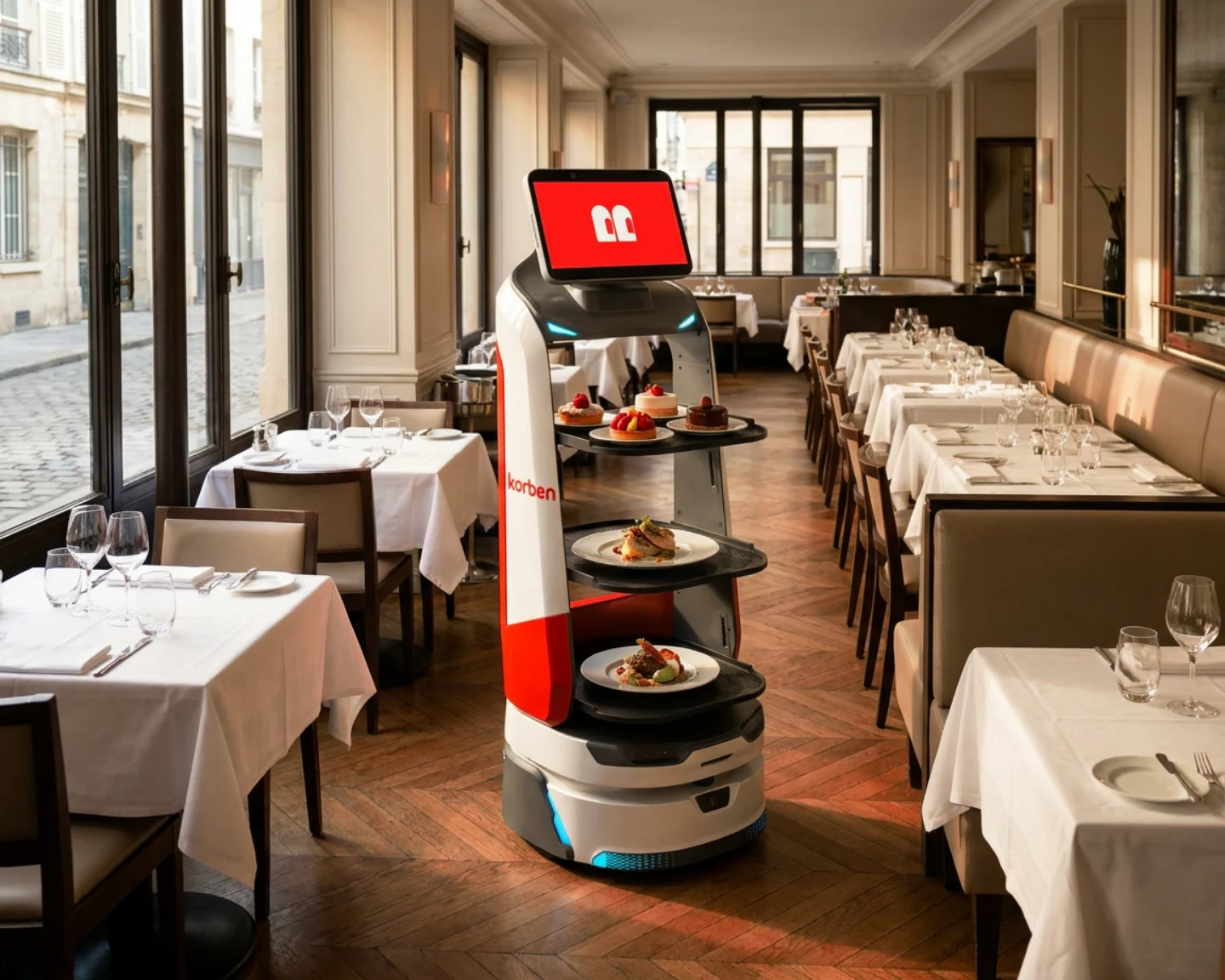
Meet our serving Korben
robots.
Our catalog, matched to your needs and constraints.
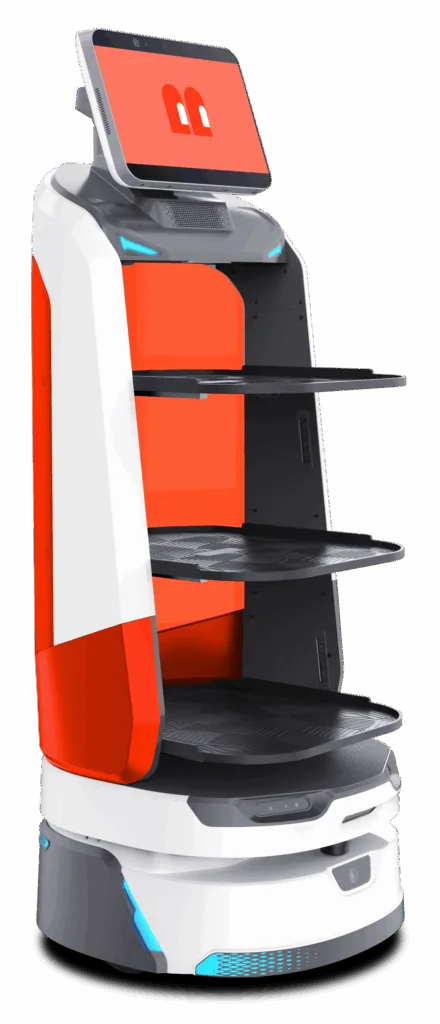
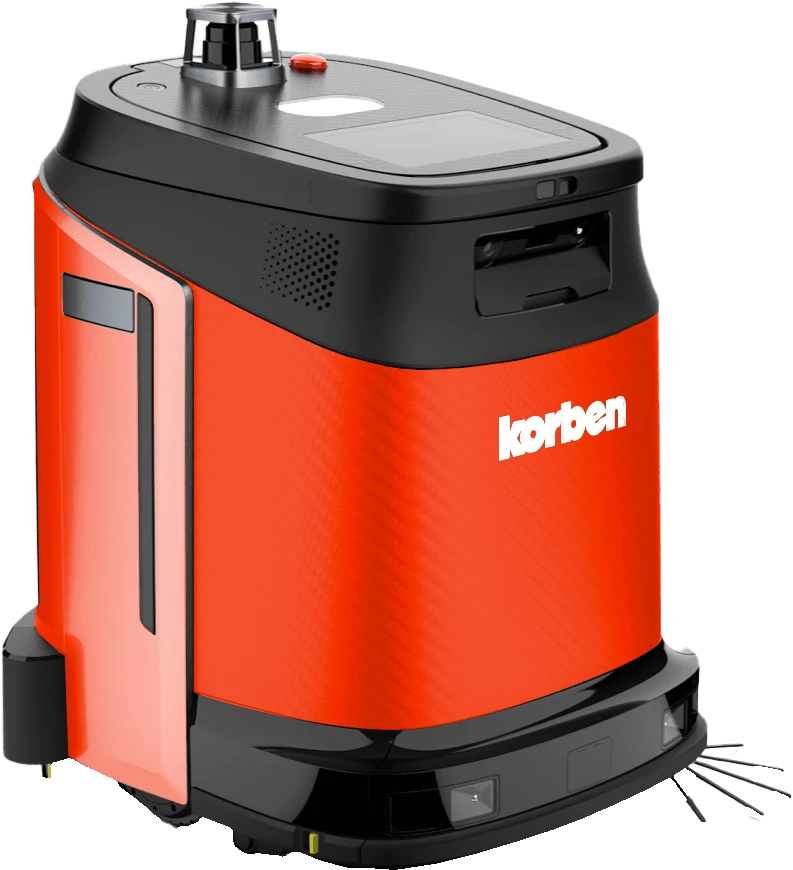
Delivery Pro
Carry the most at once
- Payload
- 60 kg in total
- Battery life
- 12 h
- Ideal for
- High-volume dining rooms, brasseries, company cafeterias.
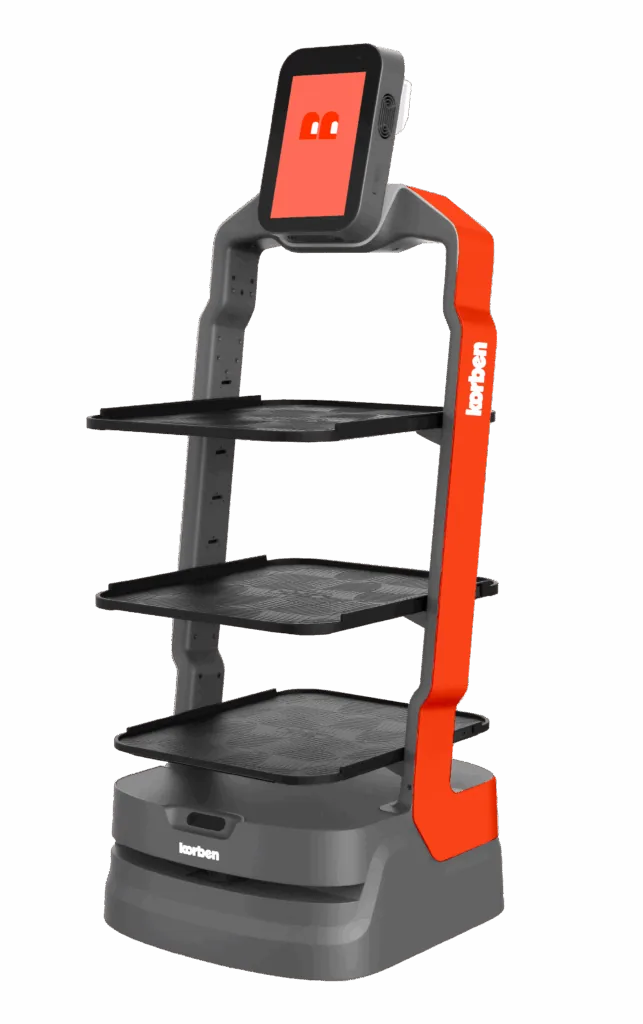
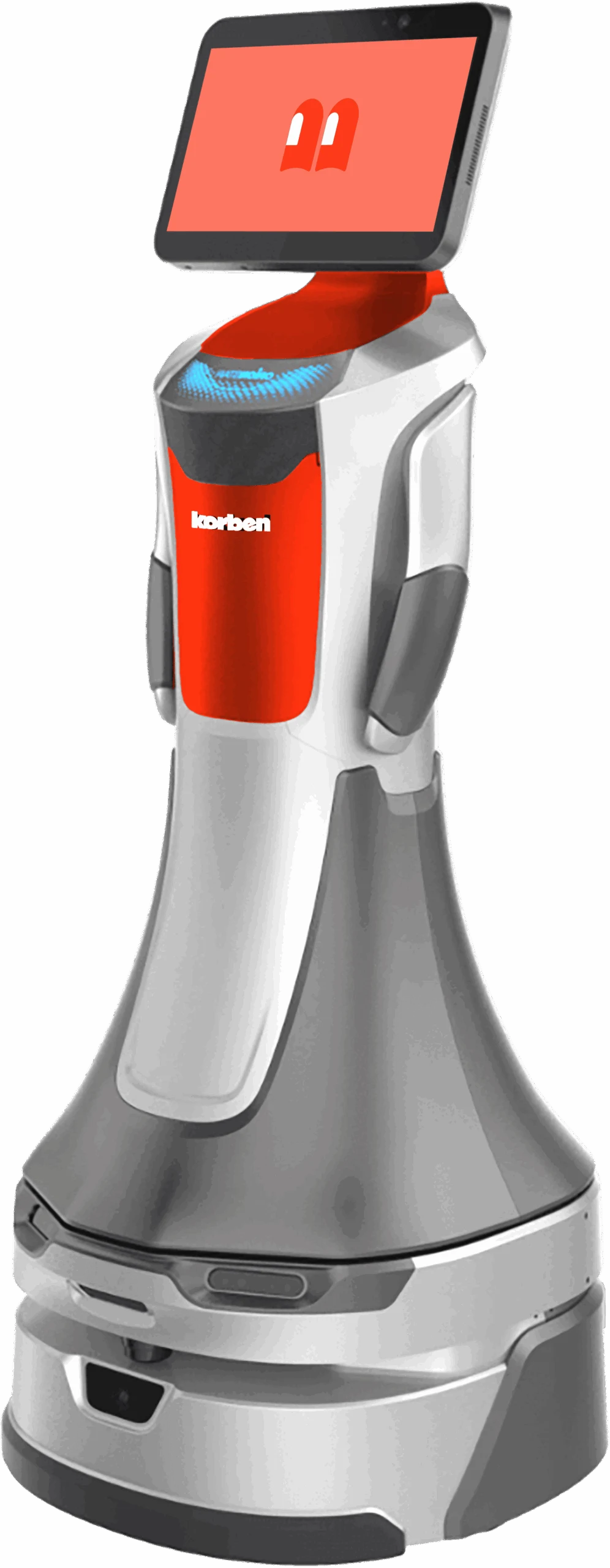
Delivery
Get through narrow aisles
- Payload
- 40 kg in total
- Battery life
- 10 h
- Ideal for
- Neighborhood restaurants, compact dining rooms, bars.
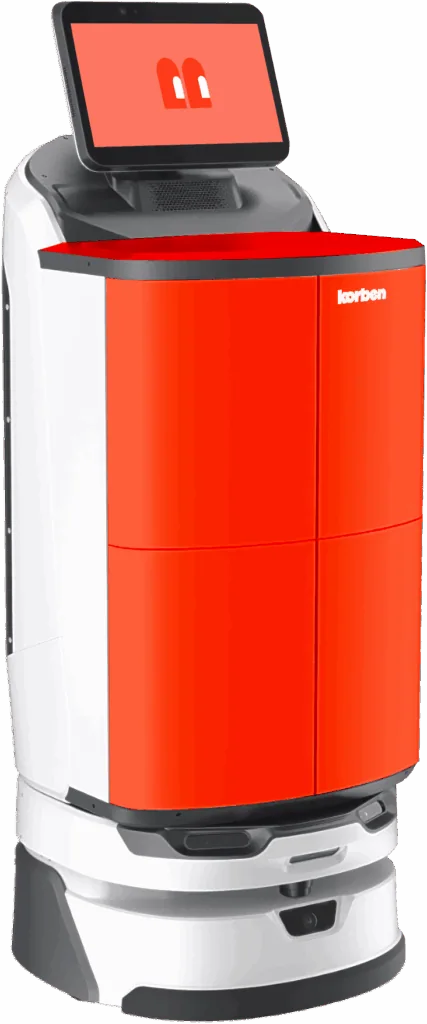
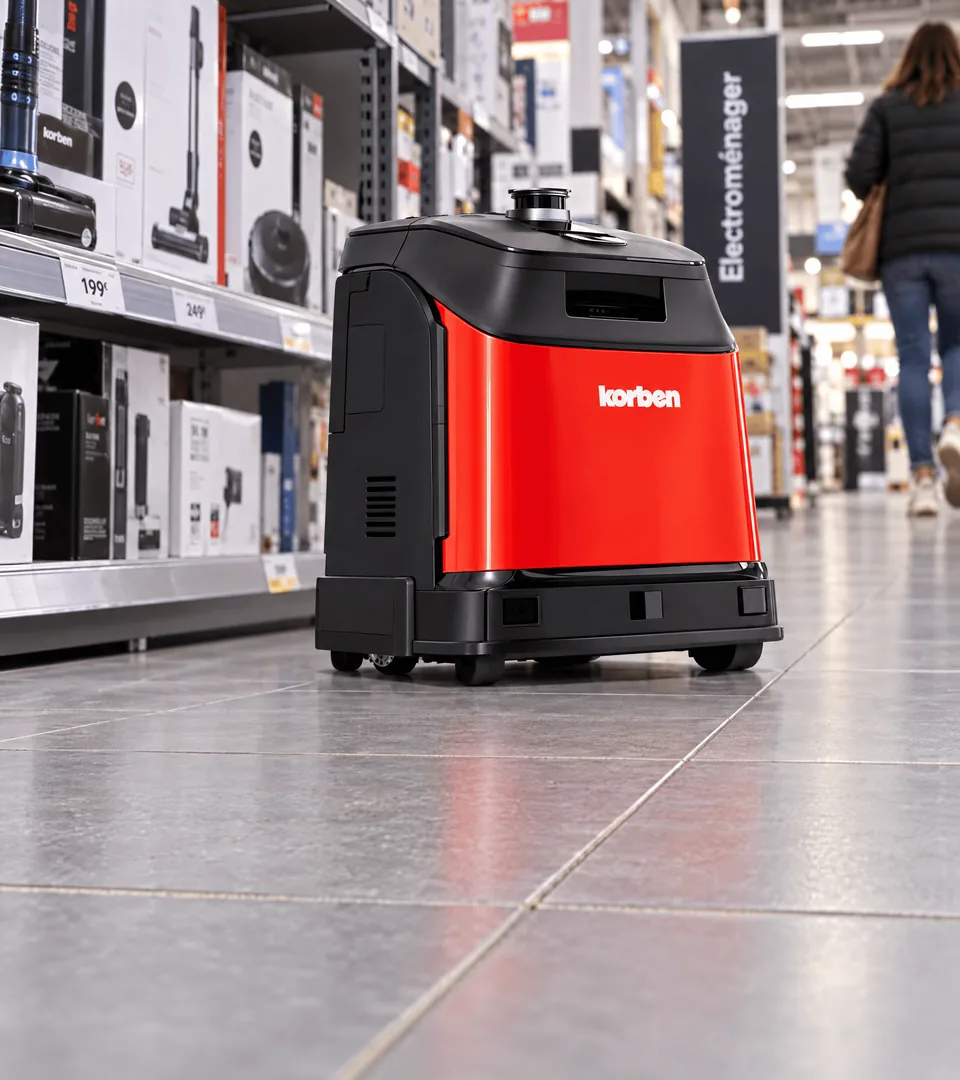
Delivery Pro Autodoor
Lock what it carries
- Payload
- 40 kg in total
- Battery life
- 12 h
- Ideal for
- Hotels, room service, dining rooms with long routes.
The benefits
What you gain.
Made to help

Use cases
Your industry,
real-world cases.
A brasserie, a company cafeteria and a nursing home dining room don’t have the same routes.
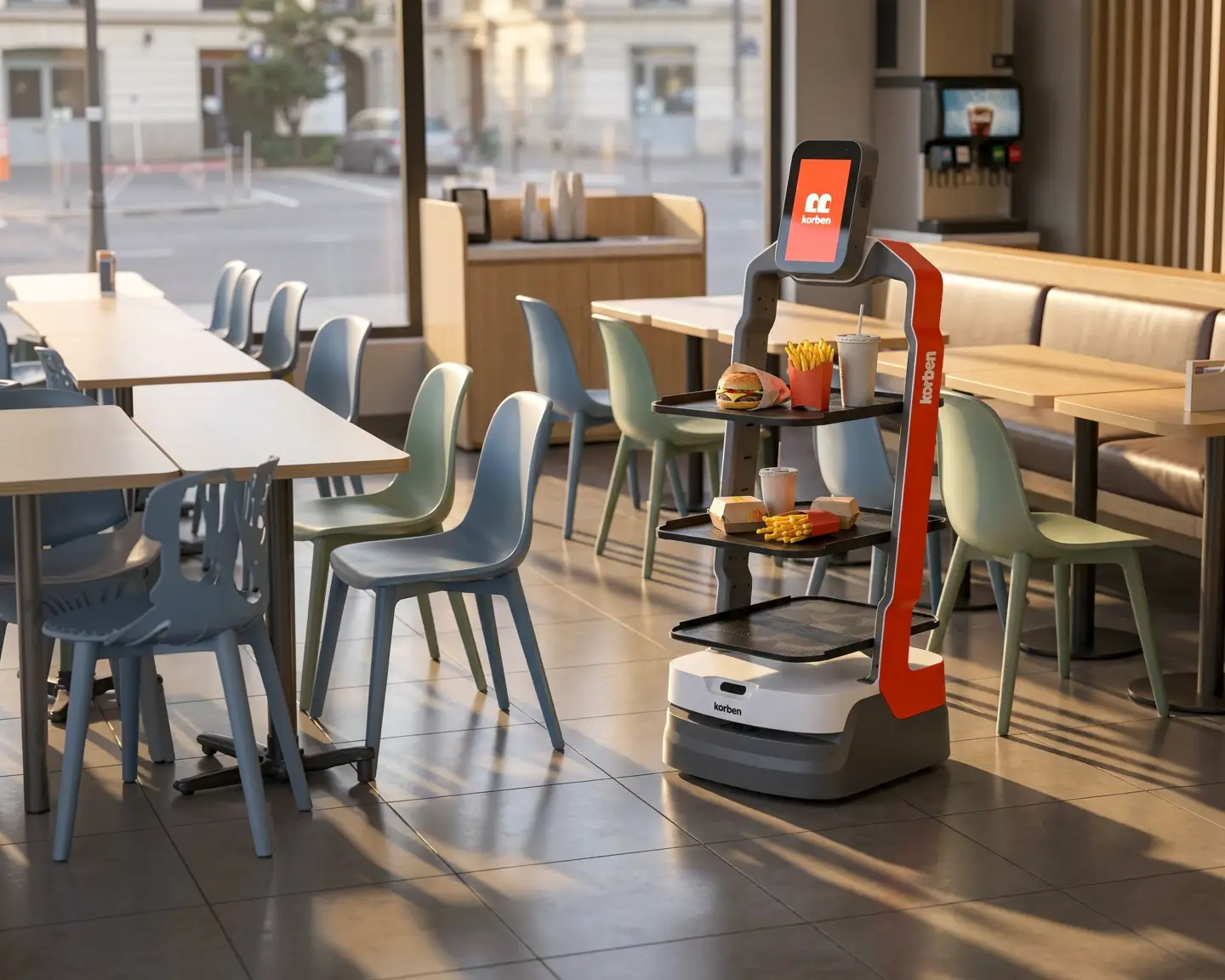 Restaurants and fast foodThe dining room served during the rush.
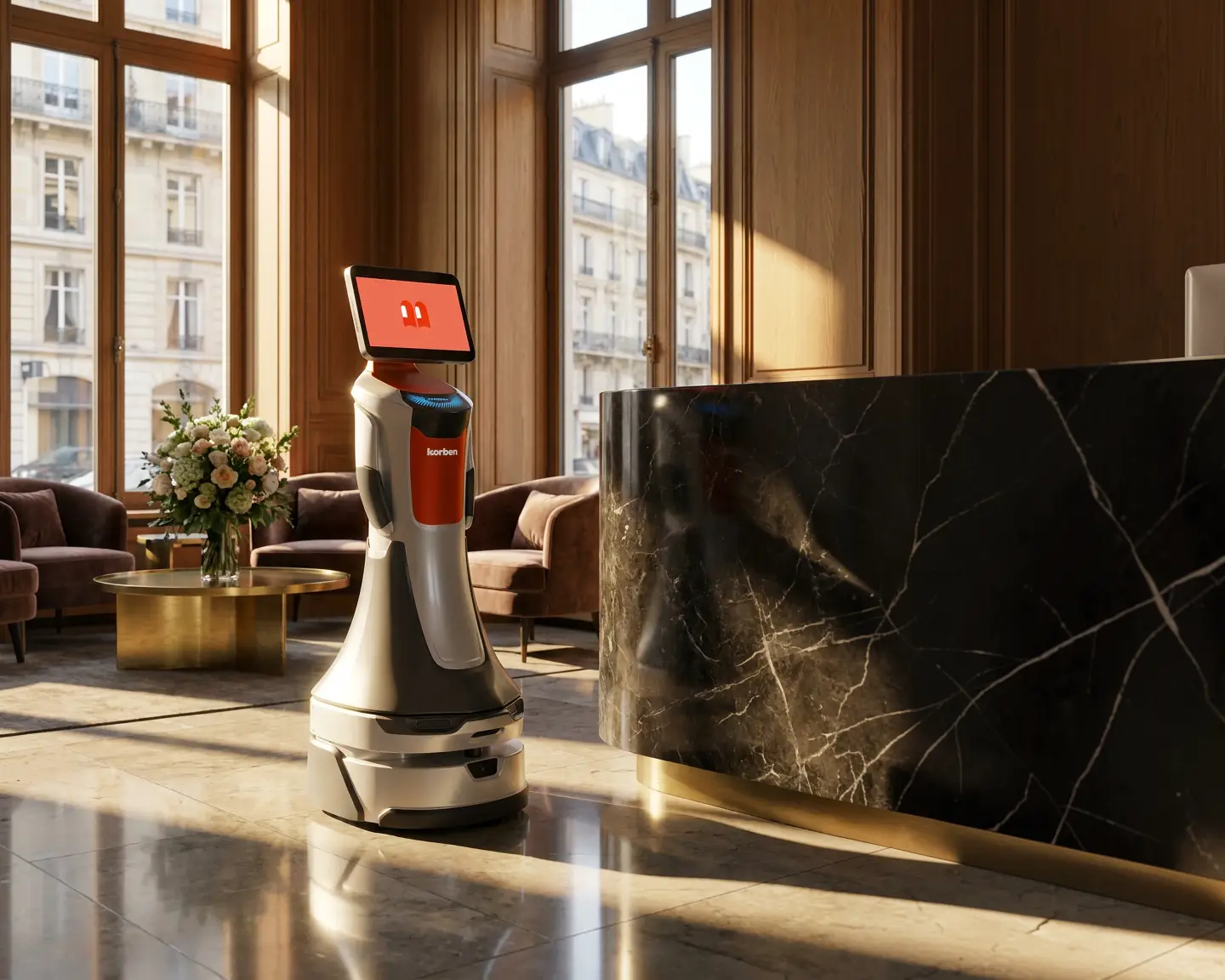 Hotels and casinosTrays carried up to the rooms.
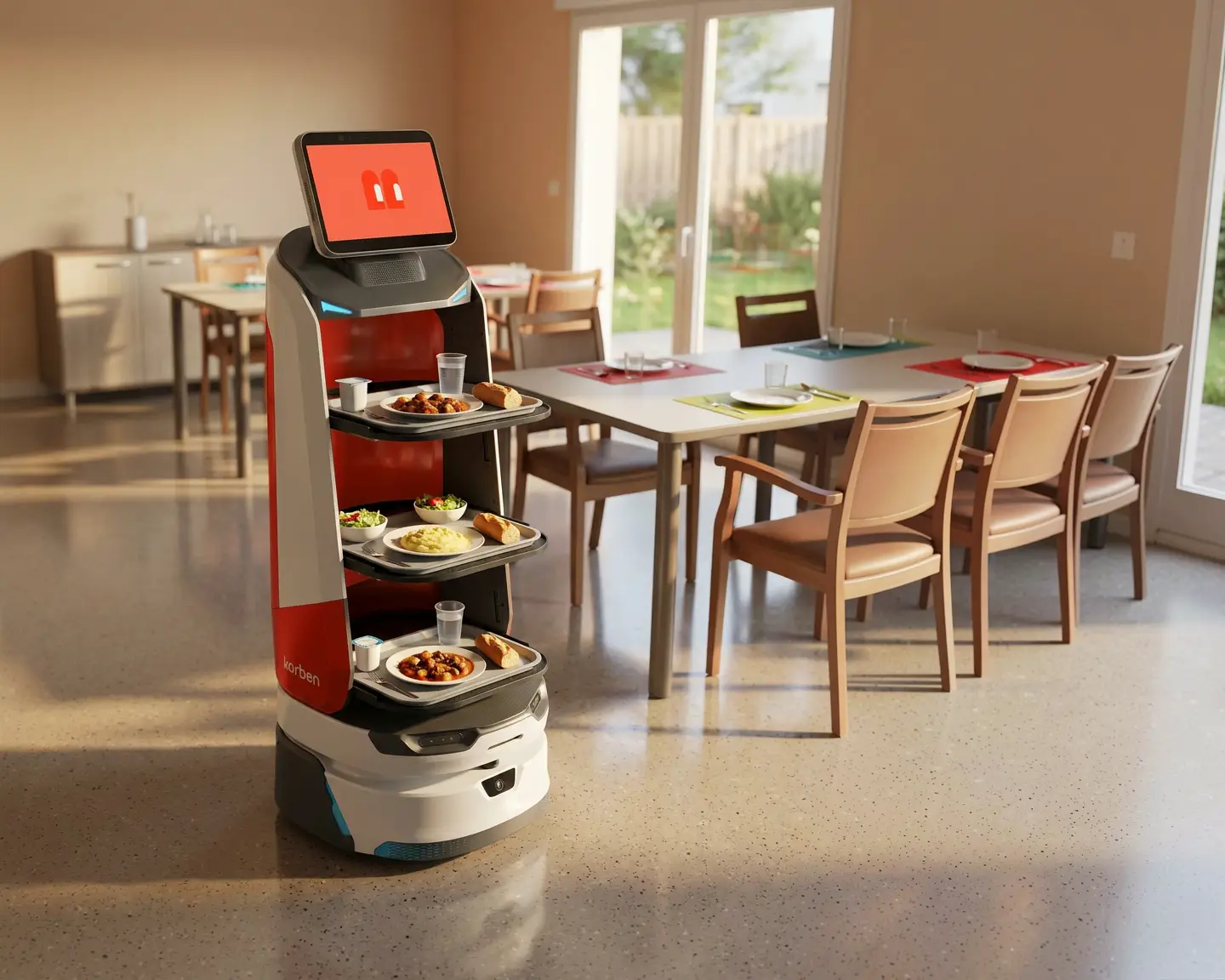 Nursing homes and retirement homesMeals brought to the dining room.
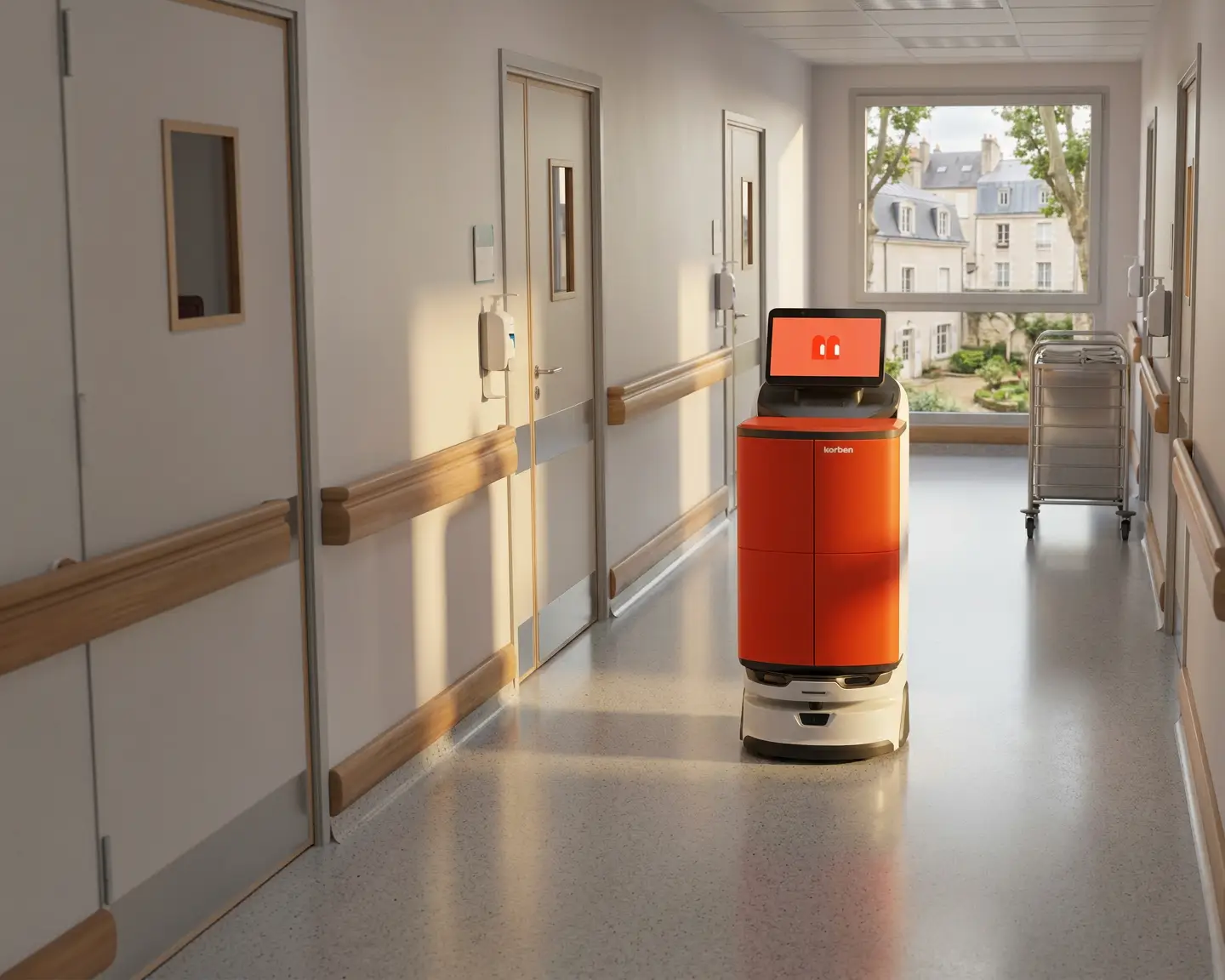 Healthcare facilitiesMeal trays from one unit to the next.
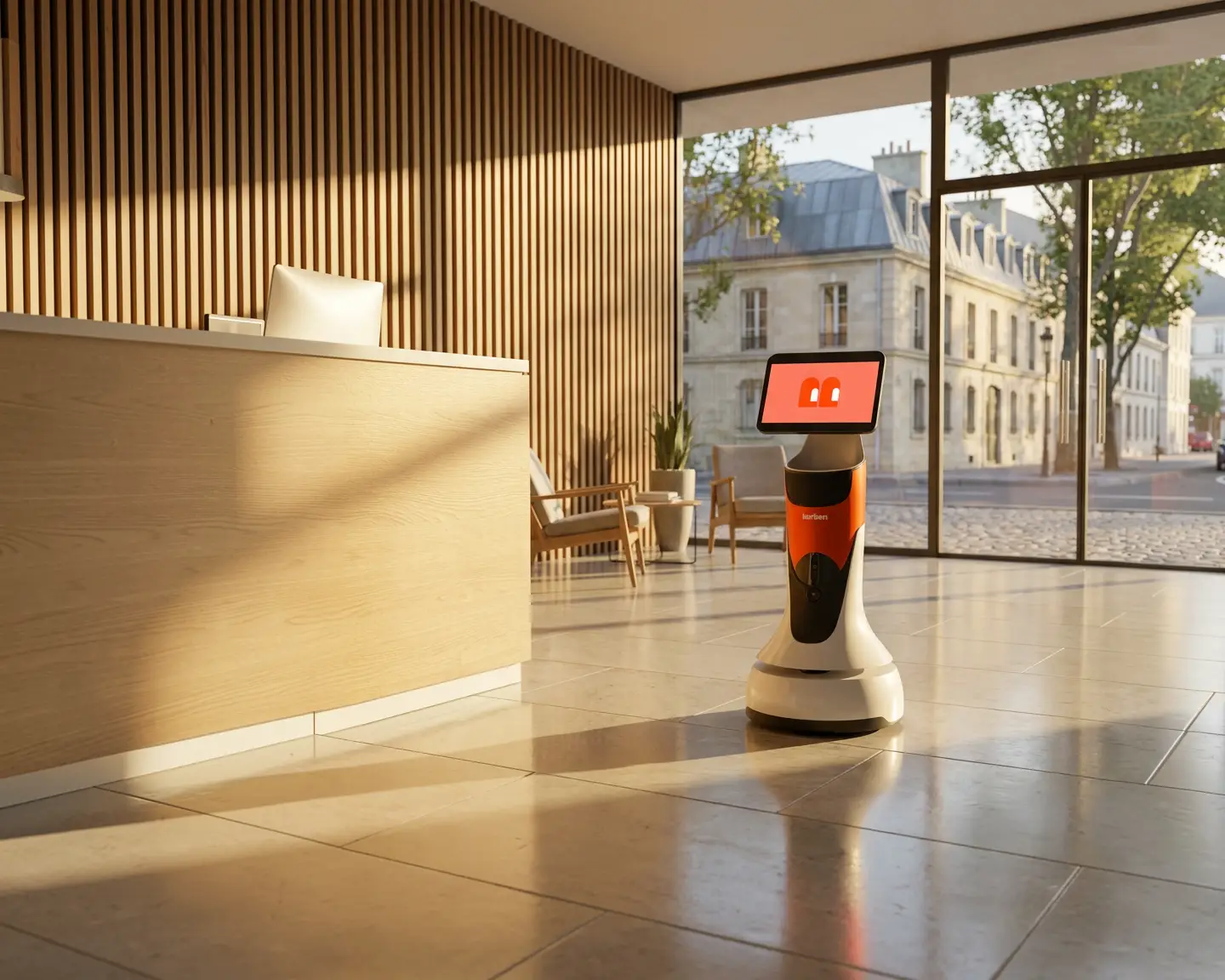 Companies and officesCoffee brought to the meeting room.
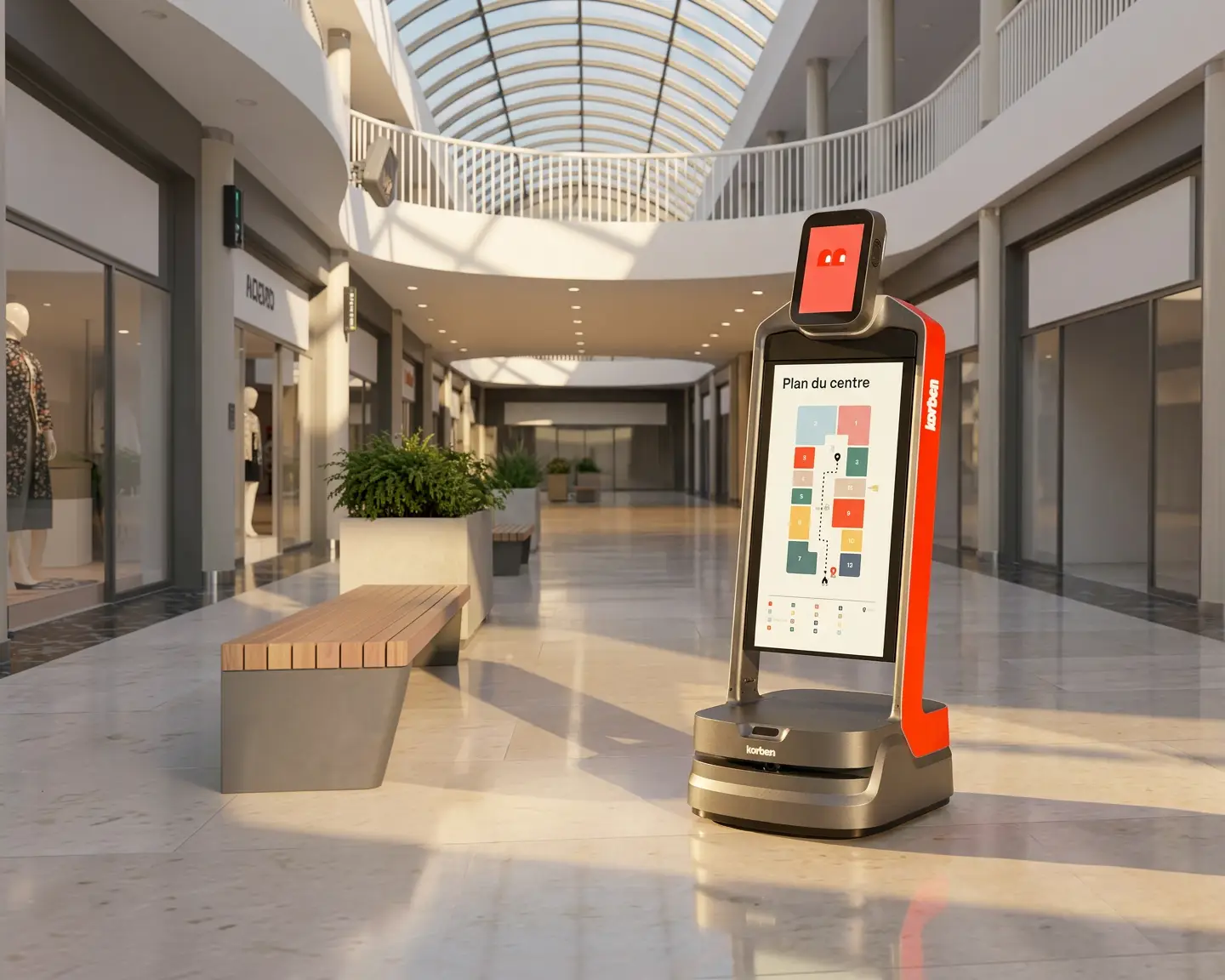 Shopping centersOrders served in the food court.
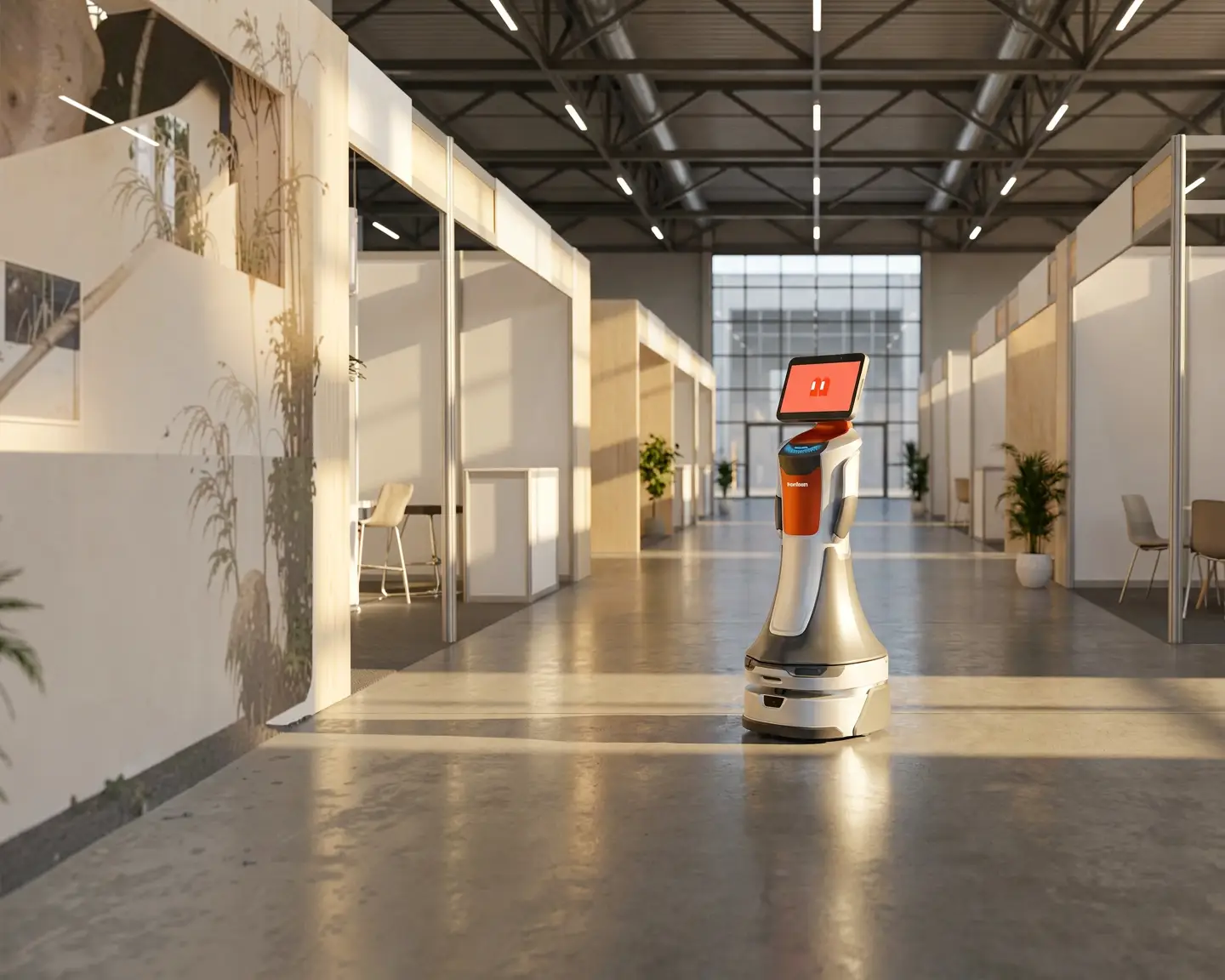 Trade shows and eventsService covered during the peaks.
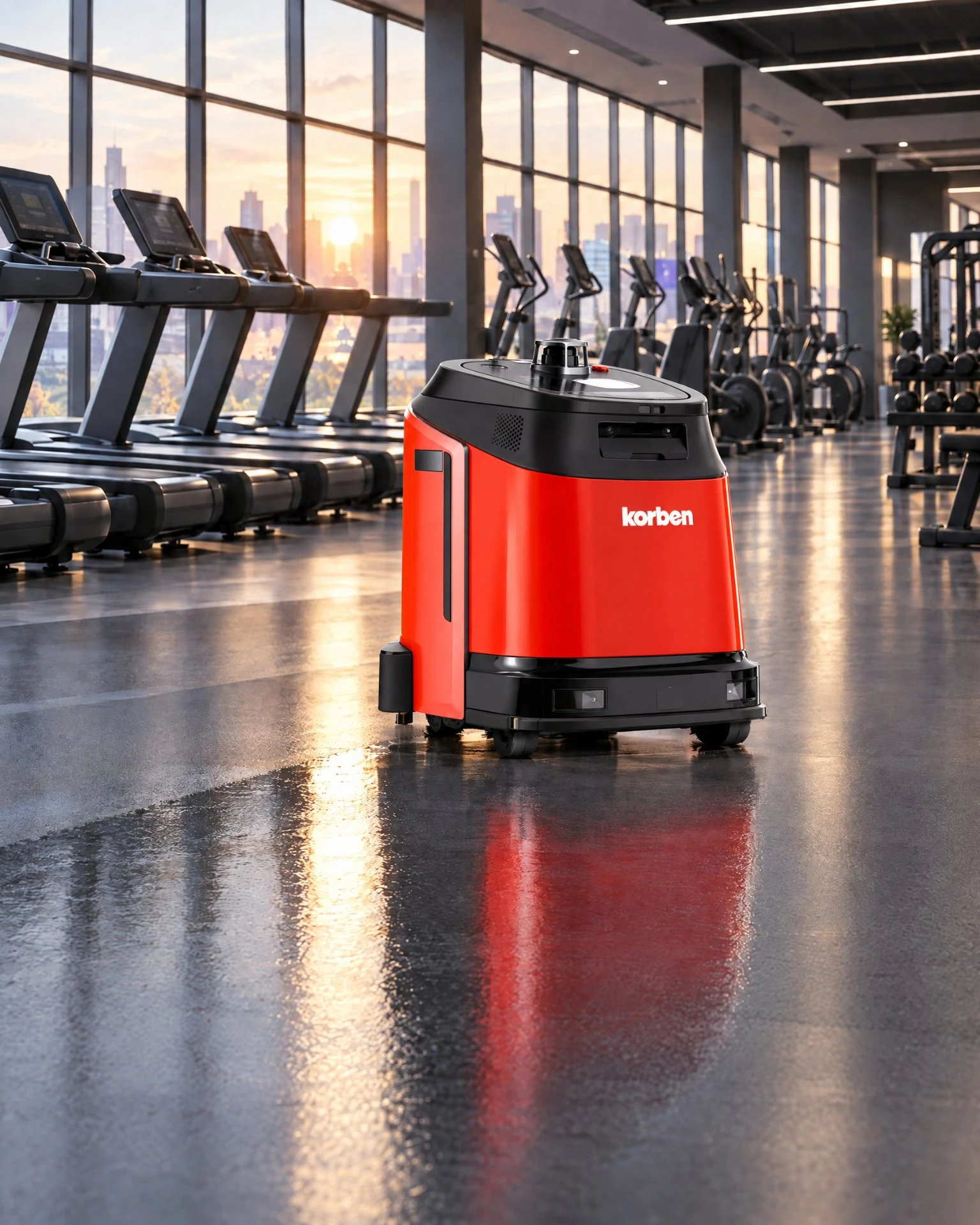 Sports and wellnessDrinks brought to the club bar.
Common objections
Good to know.
The three questions we hear most often before people get started, and how we answer them.
01
My dining room is too narrow for a robot.
That’s the first thing we measure on site. The Delivery turns around in seventy-five centimeters; if it doesn’t fit in your space, we tell you before you order, not after.
02
My guests will find it cold.
The robot carries, it doesn’t serve. Your team sets down the plate and talks to the guest — they just haven’t walked thirty meters with their arms full to get there.
03
My team will have to learn a new tool.
There’s one button to press: the destination table. Our technicians map the dining room and train your teams on site, and after-sales support is based in France.
The best argument
is trying it.
A Korben expert visits your facility to understand your needs and constraints.
FAQ
What people ask us.
How does a robot serve in a dining room?
It carries food and drinks on its trays, follows a route between the kitchen and the tables, then returns to its starting point. Serving at the table stays human.
What types of serving robots are there?
The most common are tray robots for table service. There are also models with closed compartments for room service, and reception robots for the dining room entrance.
What does table service gain?
Wait times between the kitchen and the table go down, and your teams walk less so they can focus on guests. The real gain depends on your dining room: it’s measured during the trial.
Can the robot move around with guests standing?
Yes, that’s what it’s designed for. It detects people and obstacles, slows down and goes around them. Routes and time slots are set with you.
Rent or buy?
Depending on your needs, we prefer to offer a tailored rental rather than an outright purchase. This approach makes maintenance costs easier to manage and protects your investment.
How it works.
Routes are mapped once, at installation. Your teams only have one button to press.
Trays are filled at the pass. One tap on the screen sets the destination table.
Autonomous navigation (LiDAR and vision) follows the learned route, detects standing guests, slows down and goes around them.
It stops at the table while it’s unloaded, then returns to the pass or heads back with dirty dishes.