Visitor reception
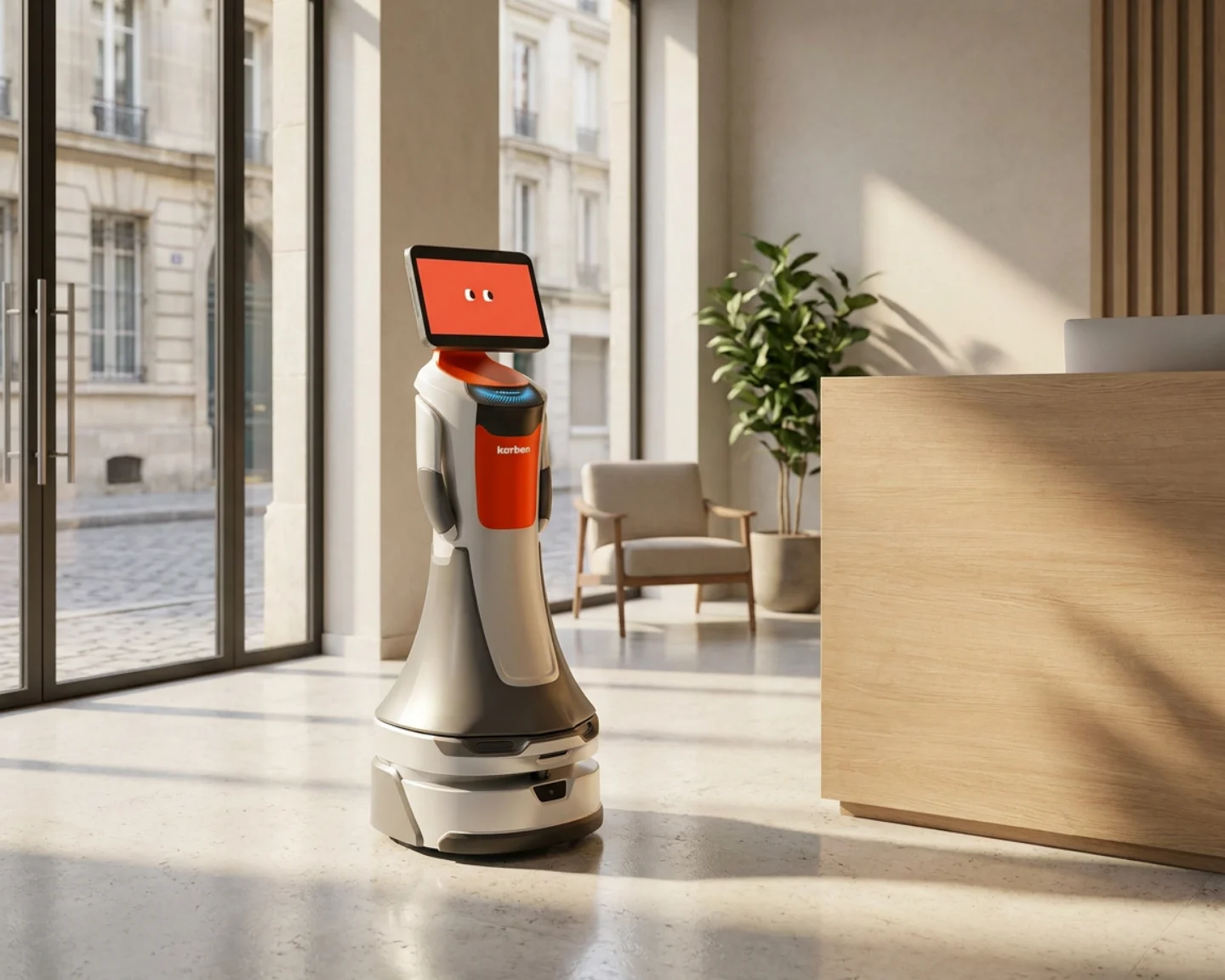
Visitors know where to go as soon as they arrive, even when your team is busy elsewhere.
Discover our reception
Korben robots.
Our catalog, matched to your needs and constraints.
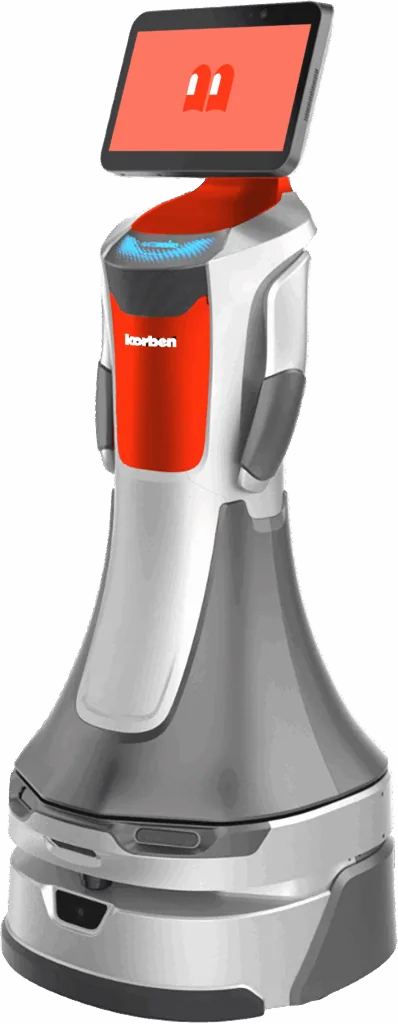
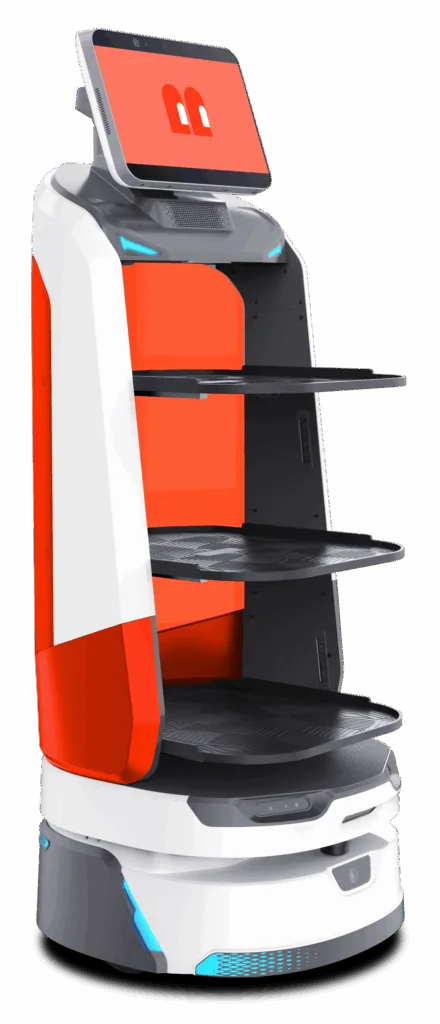
Welcome Nova
Escort visitors to the right place
- Screen
- 14 inches
- Battery life
- 12 to 14 h
- Ideal for
- Hotels, airports, train stations, shopping centers, trade shows.
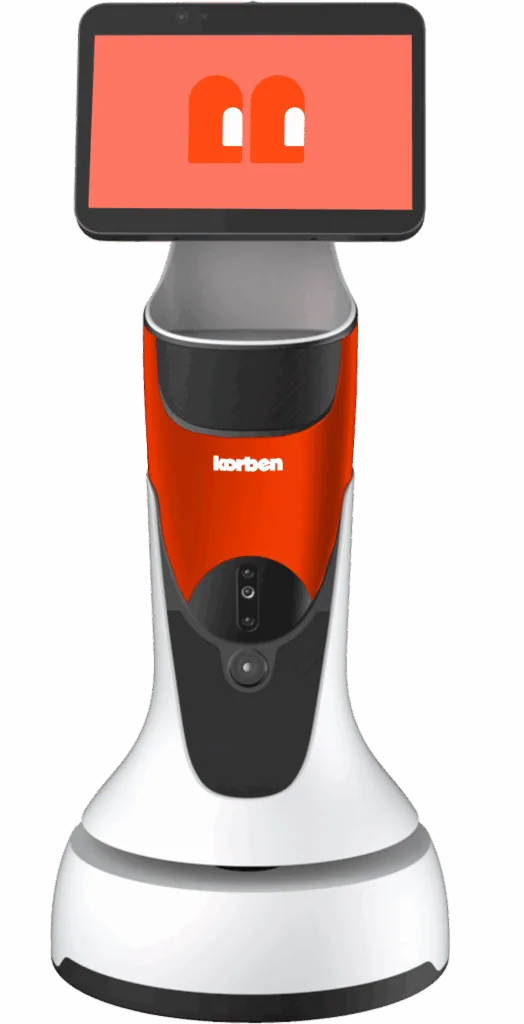
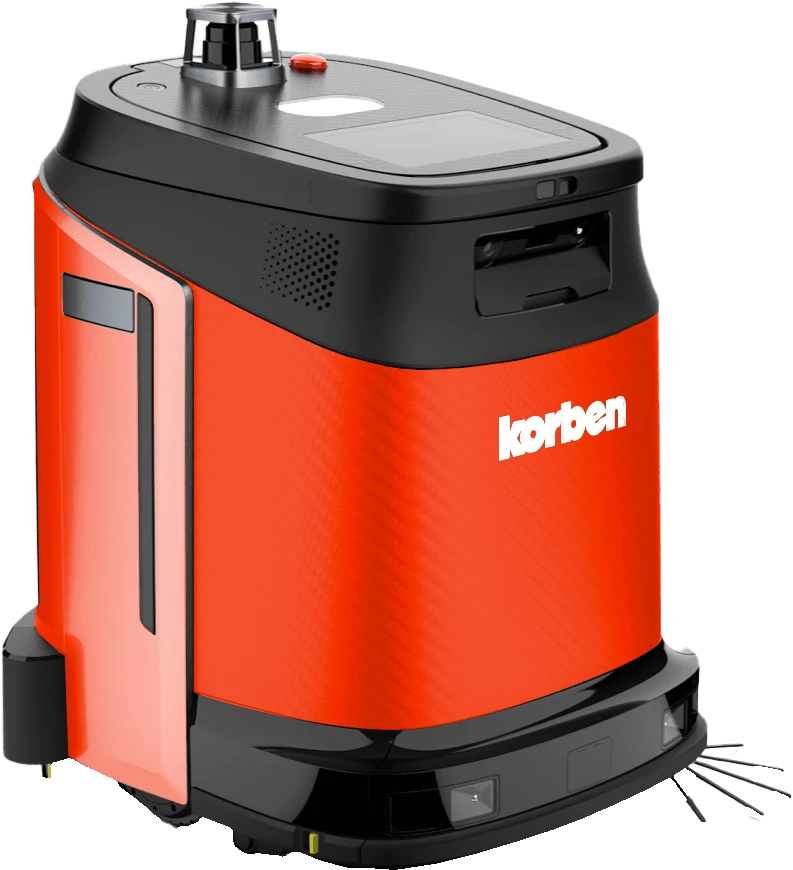
Welcome Mini
Fit into a small space
- Screen
- 14 inches
- Battery life
- 12 h
- Ideal for
- Entry vestibules, entrance corners, front desks, small lobbies.
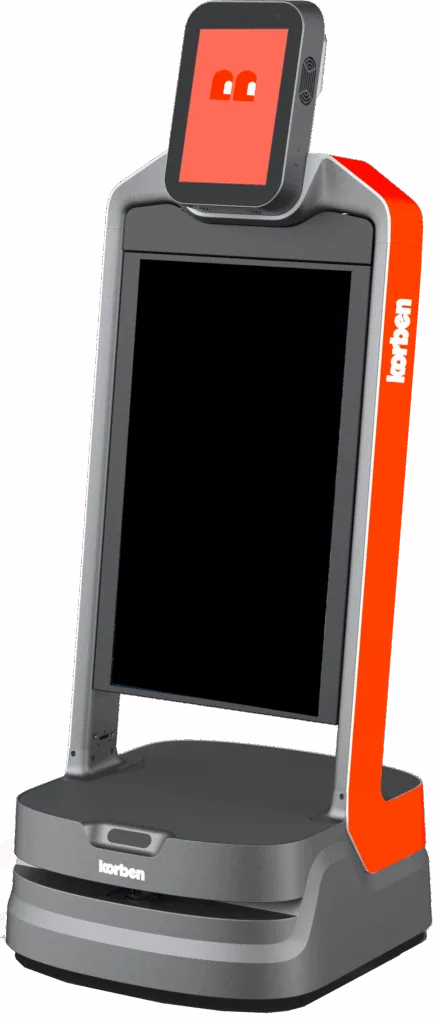
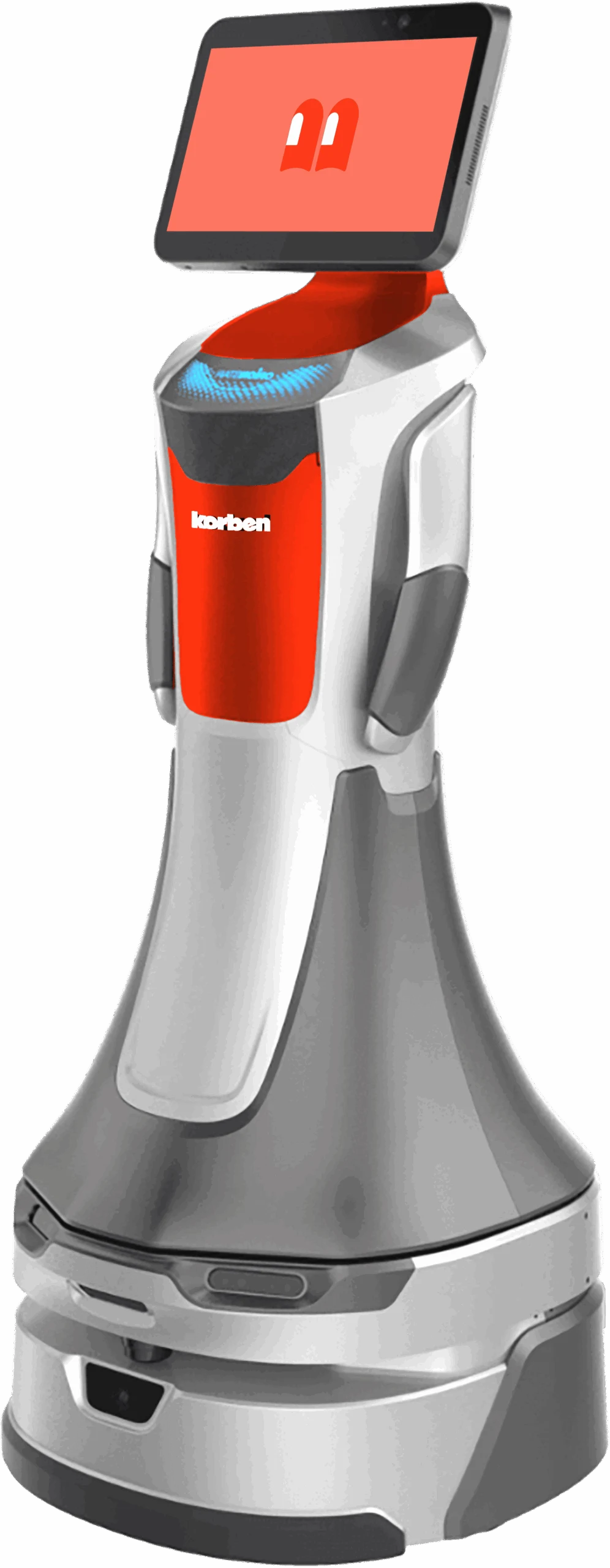
Welcome Plus
Display information on the move
- Screen
- 27 and 10.1 inches
- Battery life
- 9 h
- Ideal for
- Hotels, headquarters, offices, shopping centers.
The benefits
What you gain.
Made to help

Use cases
Your industry,
real-world cases.
A hotel lobby, a pharmacy counter and a station concourse don't need the same thing.
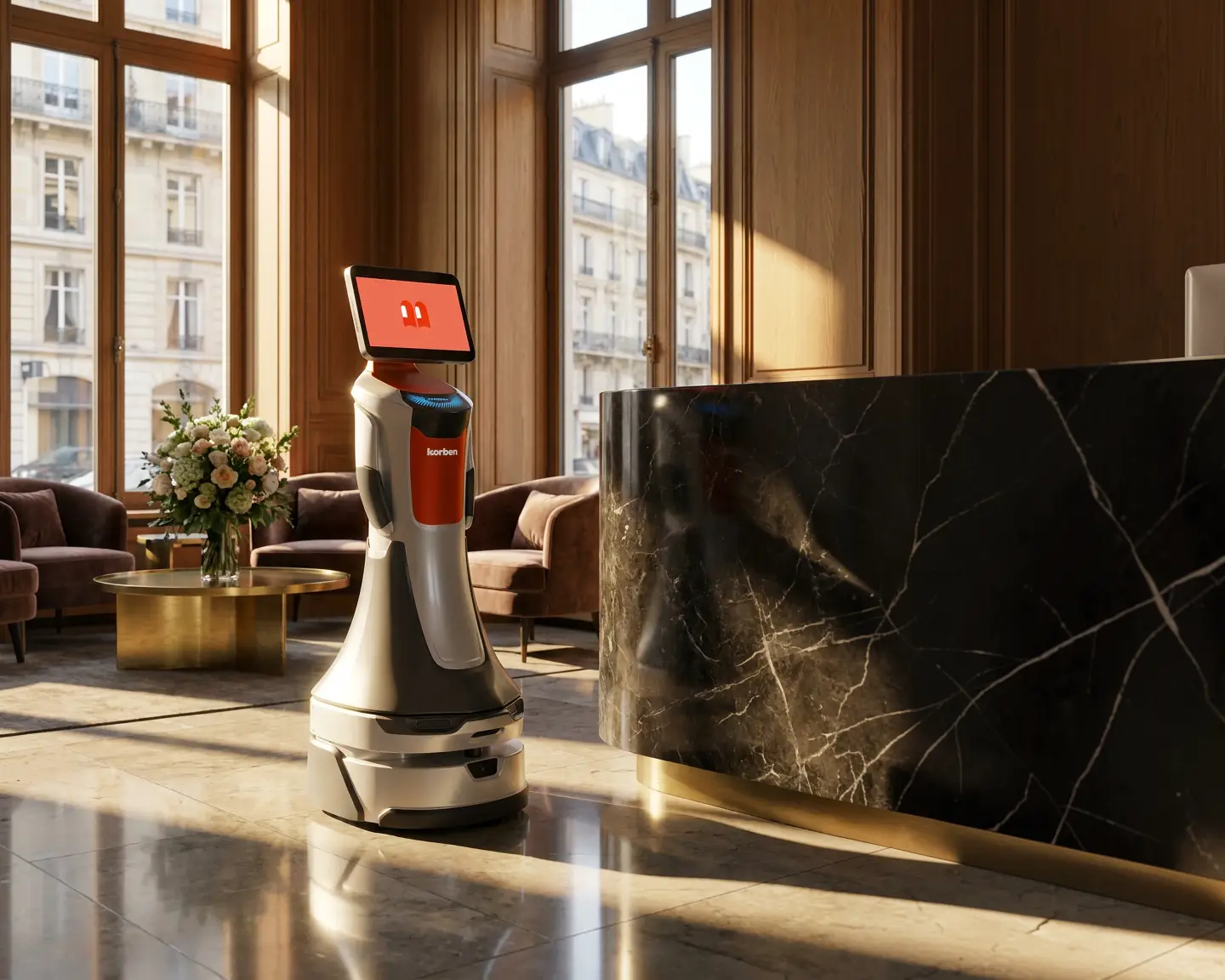 Hotels and casinosYour guests get directions as soon as they arrive.
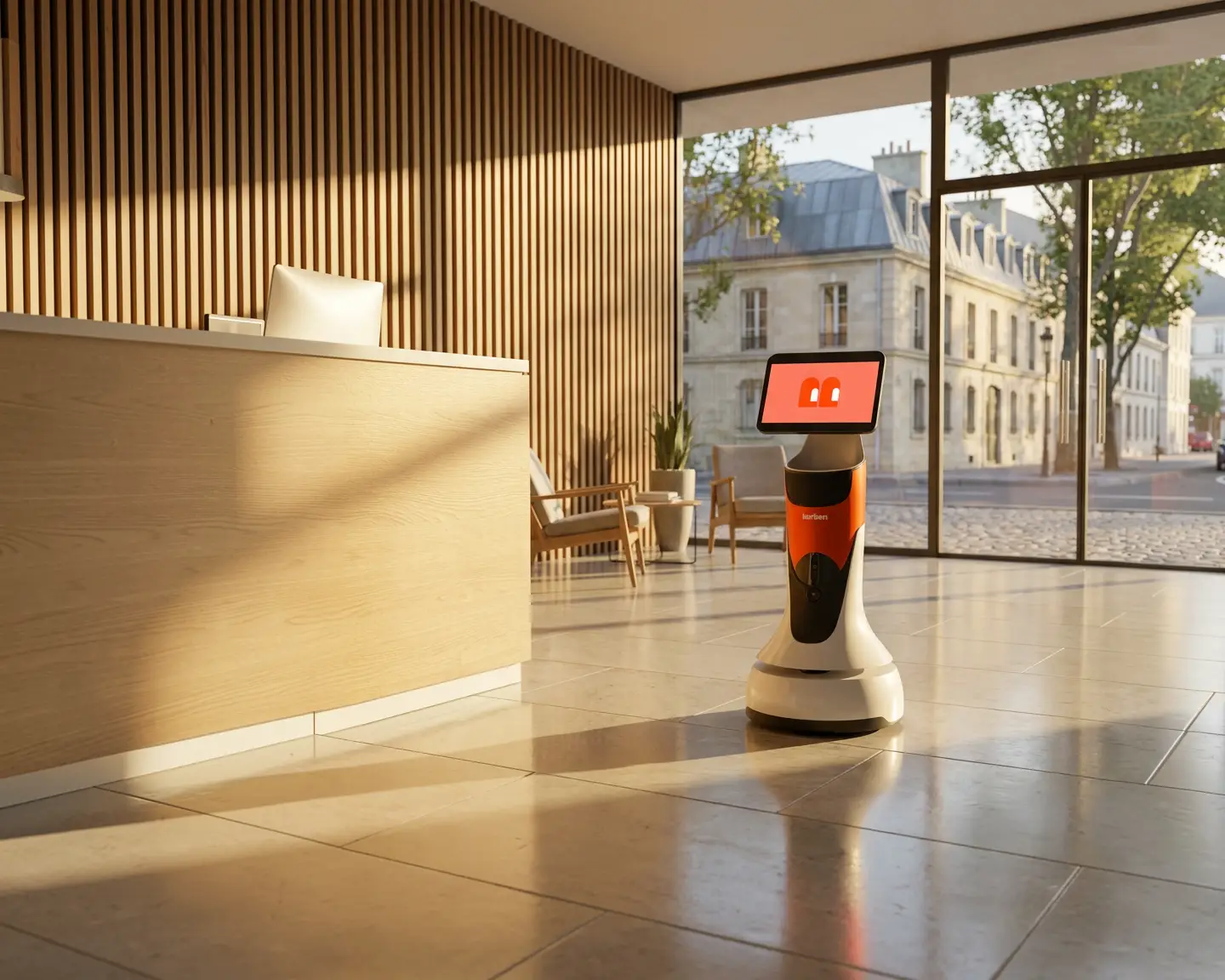 Companies and officesVisitors get directions right from the lobby.
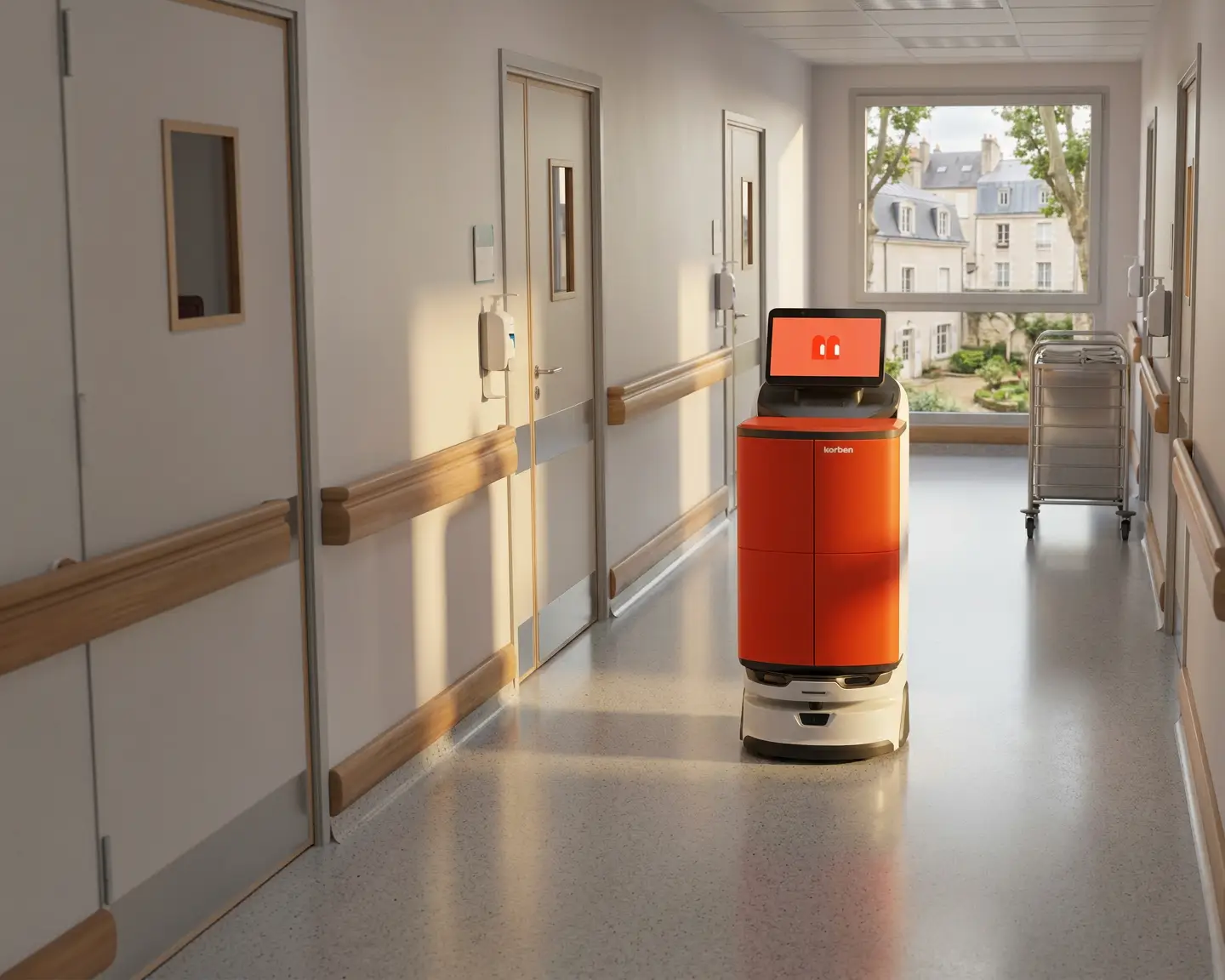 Healthcare facilitiesPatients guided to the right department.
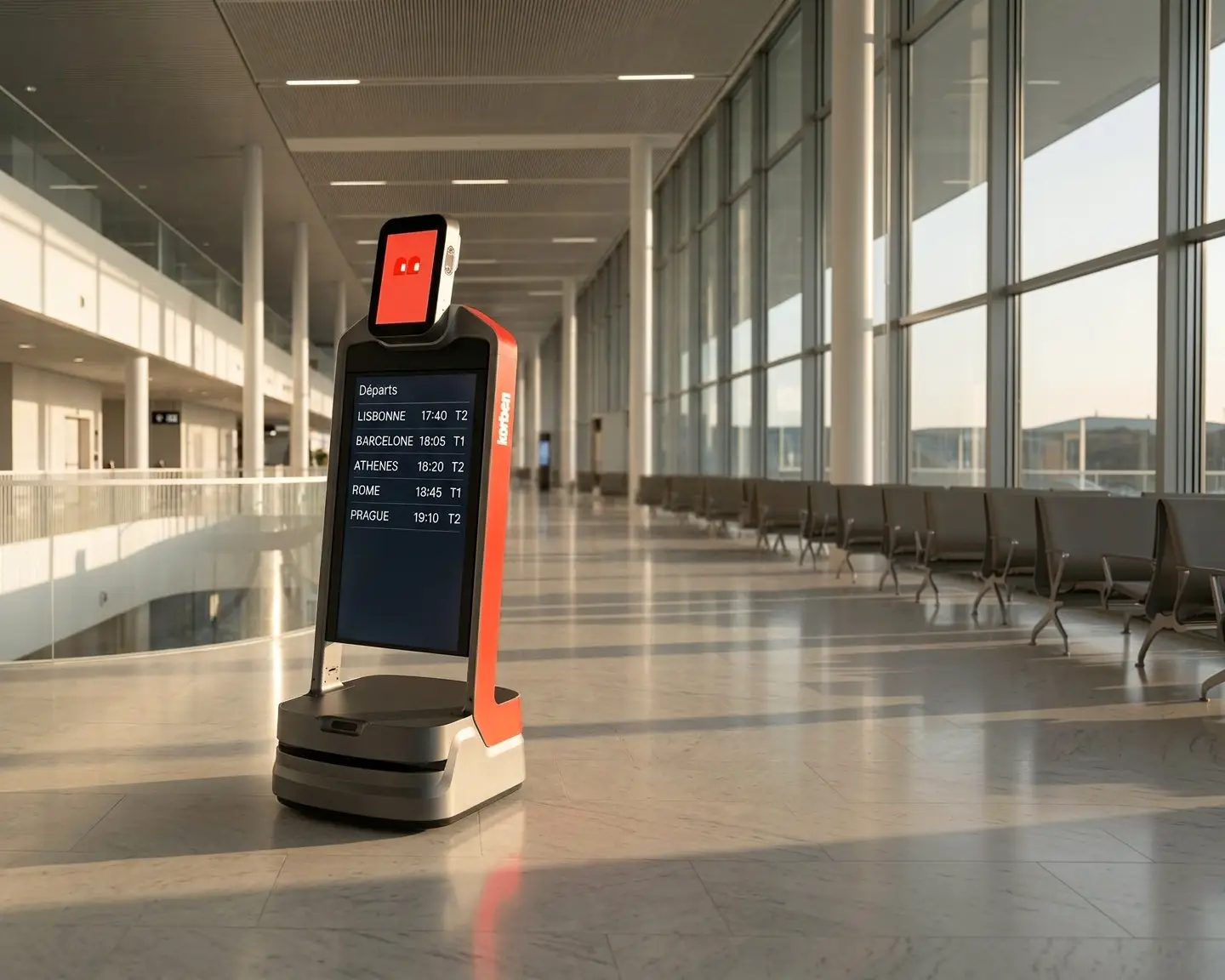 Airports and train stationsTravelers get information in the concourse.
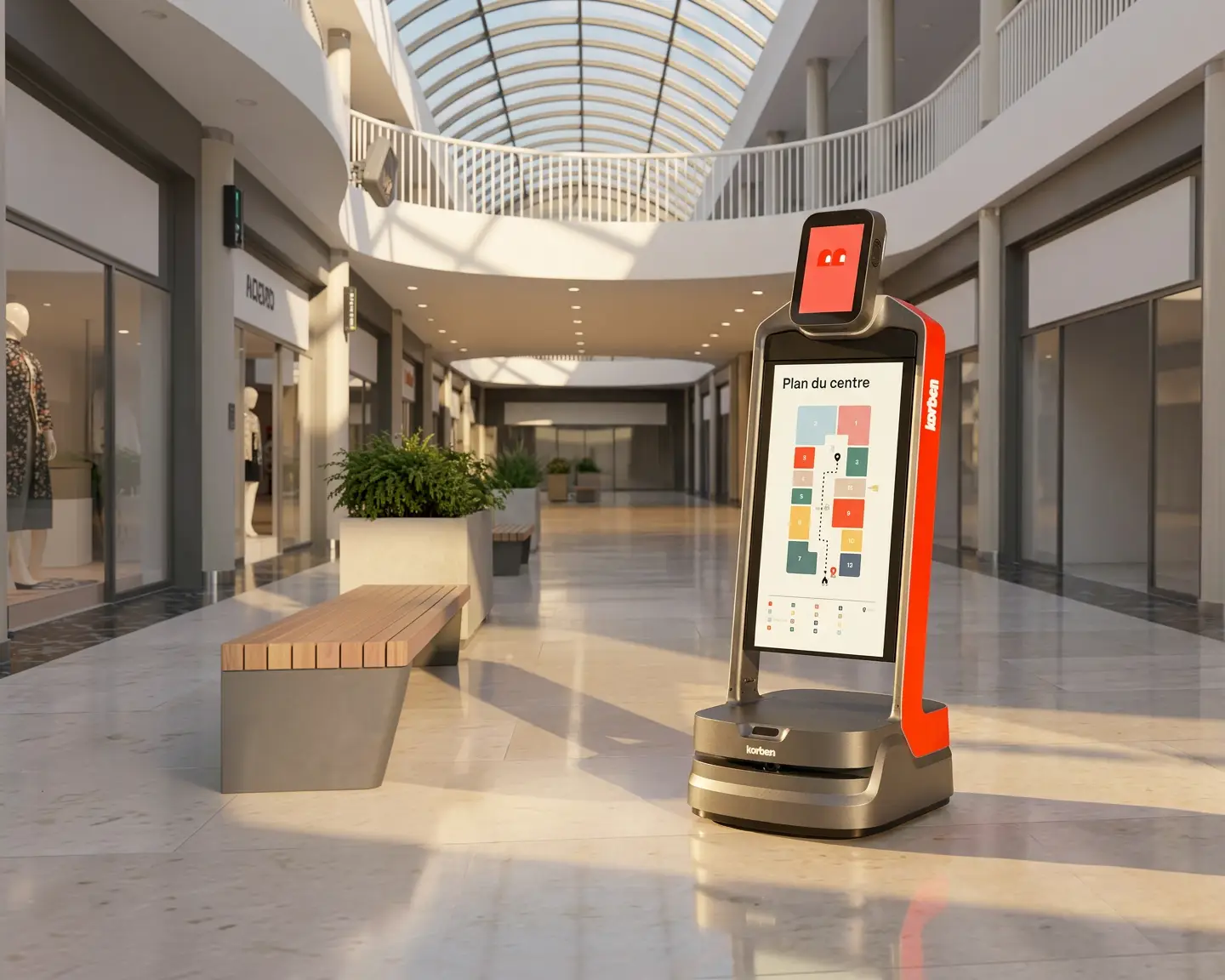 Shopping centersYour messages travel through the concourse.
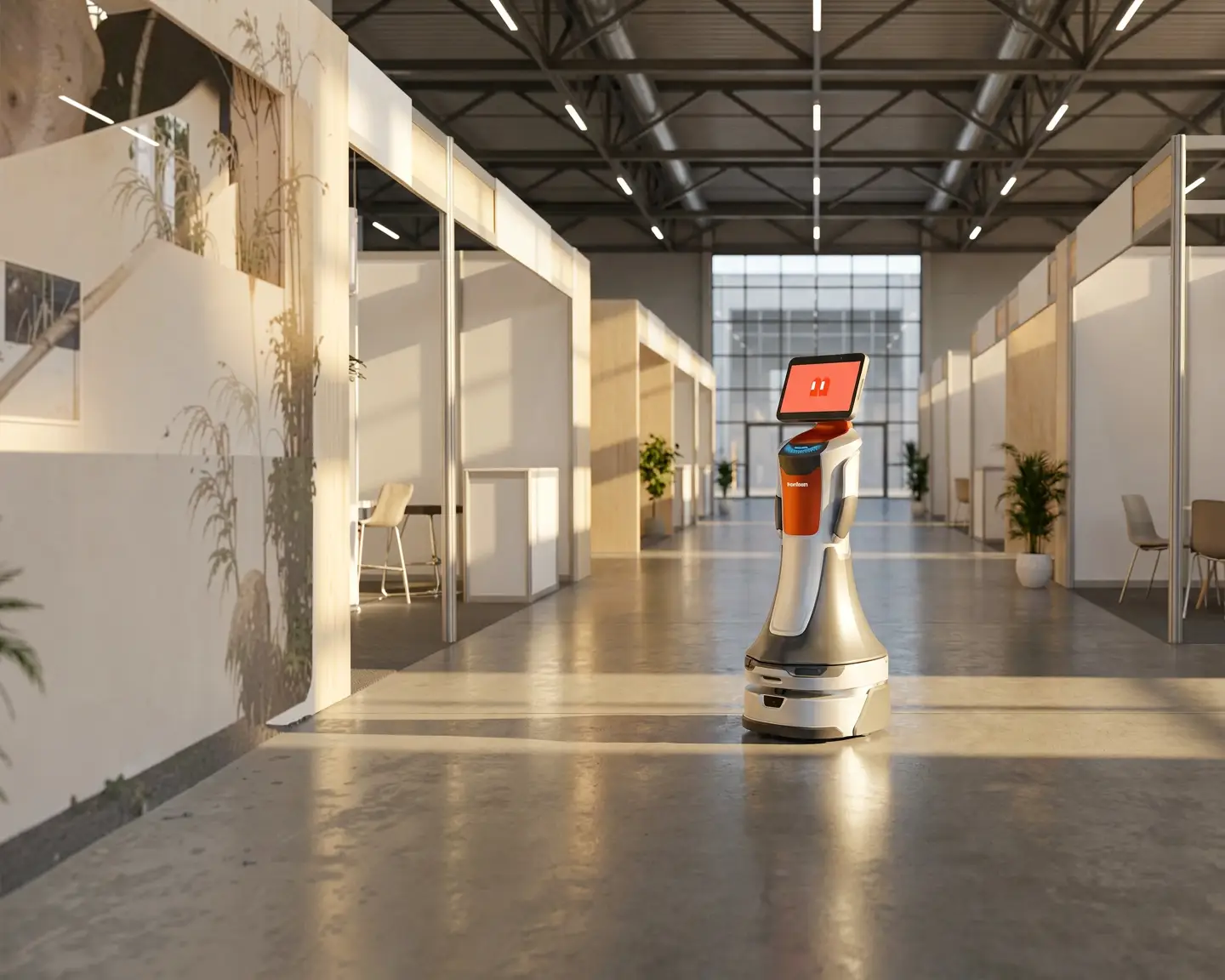 Trade shows and eventsA mobile information point on your booth.
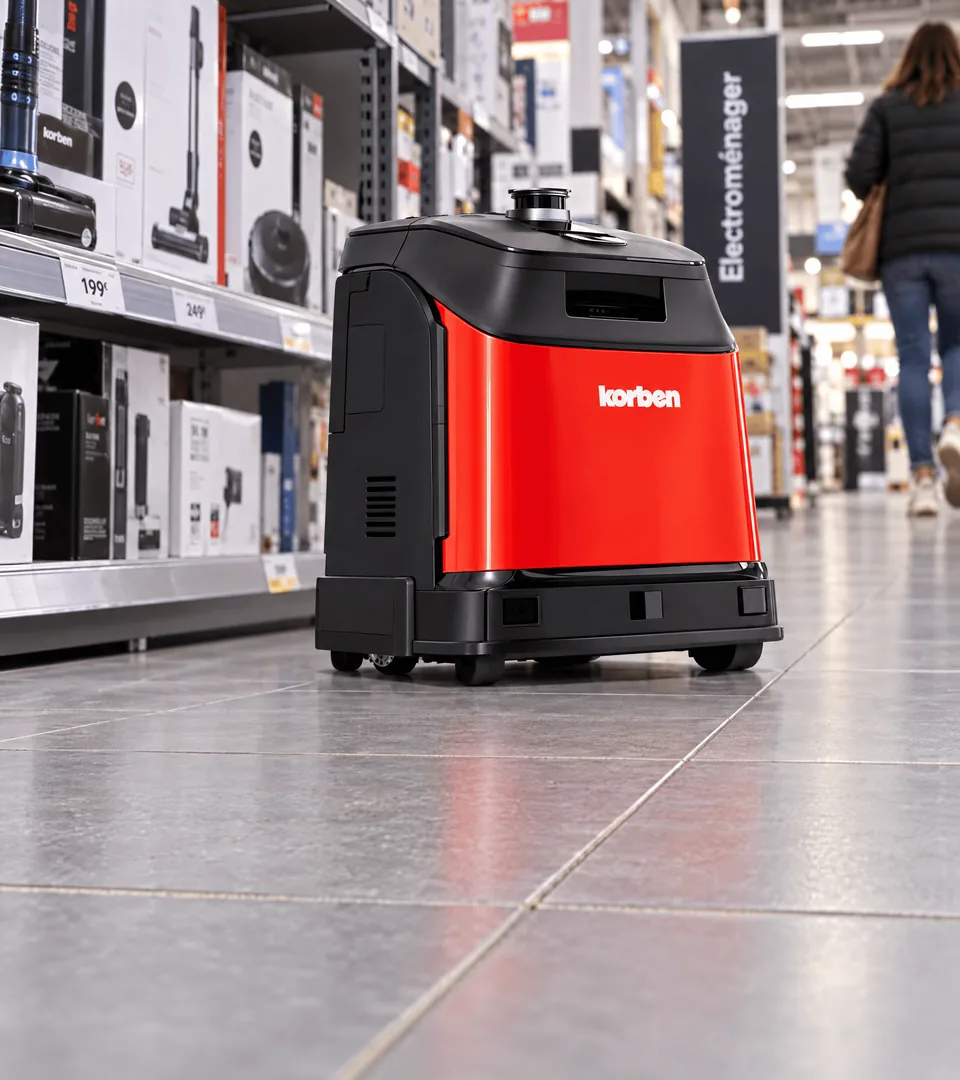 Retail and supermarketsYour customers get directions at the entrance.
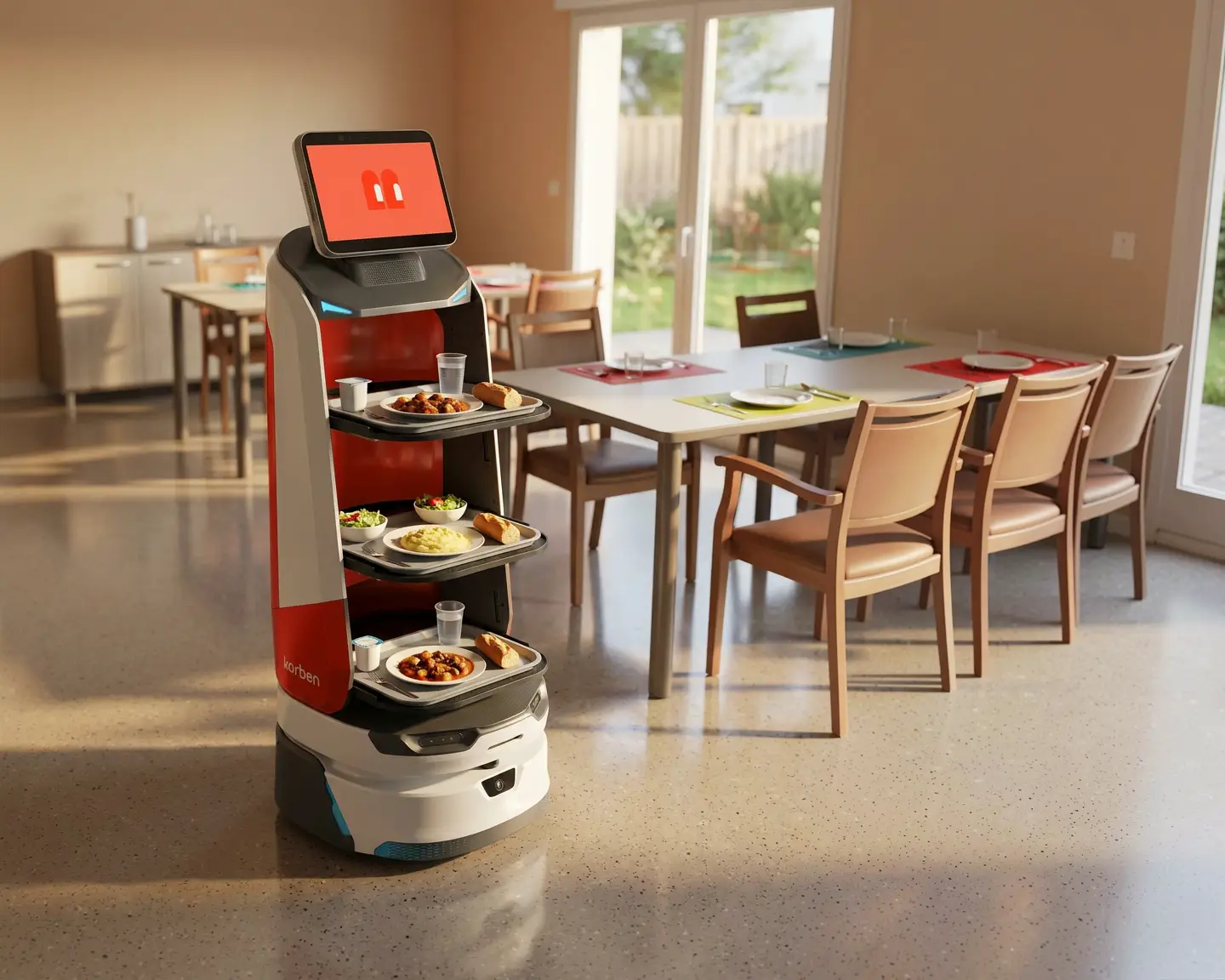 Nursing homes and retirement homesFamilies directed to the right floor.
Common objections
Good to know.
The three questions we hear most often before people get started, and how we answer them.
01
My reception team can't be everywhere at once.
The robot handles first contact during the time slots you set: it welcomes, informs and directs visitors without ever taking a break. Your teams take back the requests that need them, the ones where they make the difference.
02
Not all my visitors speak French.
More than thirty languages. The robot switches to the visitor's language and answers with your own content, without anyone on your team having to speak it. We decide together which languages to enable before deployment.
03
I want to modernize without upending how we work.
The software that runs the robot is developed in France by our teams, and your data stays on French servers. After-sales service is French too, with technicians all over the country.
The best argument
is trying it.
A Korben expert visits your facility to understand your needs and constraints.
FAQ
What people ask us.
What is a reception robot?
An autonomous robot that handles first contact with a visitor: hotel, company, store, hospital, trade show. It combines voice recognition, a touchscreen, autonomous navigation and artificial intelligence to welcome, guide and inform.
How do I choose a reception robot?
Look at visitor volume, the time slots to cover, available floor space, screen size and integration with your IT system. Korben visits you free of charge to point you to the right model.
Does a reception robot replace a receptionist?
No. It handles frequent questions, directions and information. Your teams can refocus on complex requests and special cases.
Is a reception robot multilingual?
Yes, in more than thirty languages. The robot switches to the visitor's language and answers with your content. We decide together which languages to enable before deployment.
How do I integrate it with my IT system?
Integrations with your tools are assessed with Korben. Compatibility, the development required and lead times depend on the model and the project.
Rent or buy?
Depending on your needs, we prefer to offer a tailored rental rather than an outright purchase. This approach makes maintenance costs easier to manage and protects your investment.
What are the different types of reception robots?
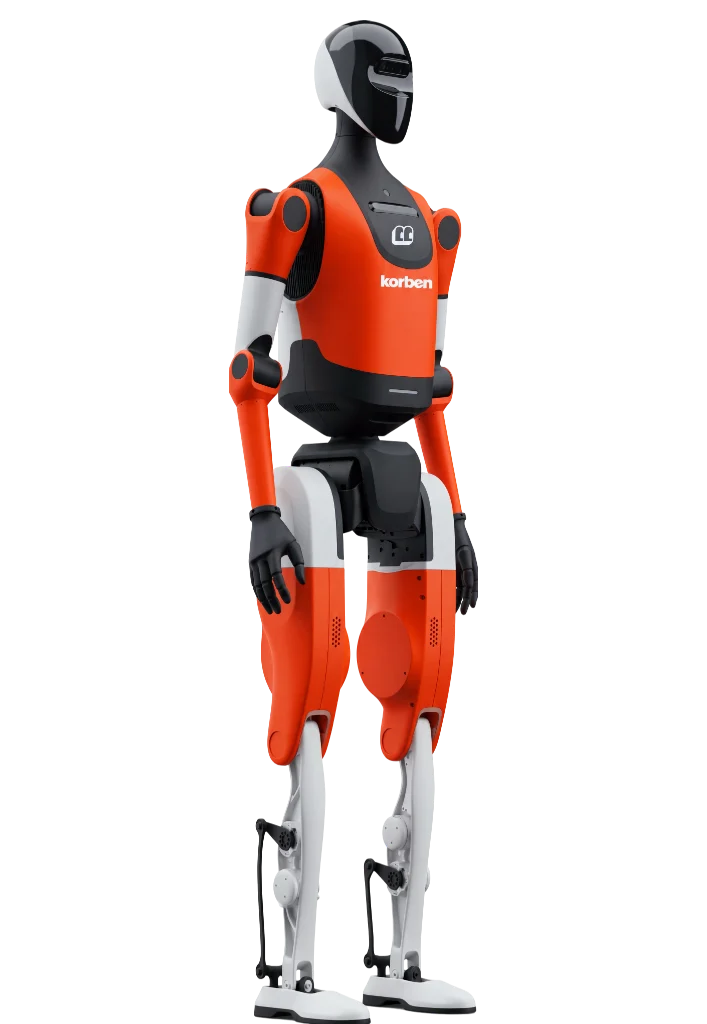
Four families share the market. Humanoids have a head, arms and a torso: they rely on emotion, at the cost of some mechanical fragility. Robots on a mobile platform, like Korben's Welcome range, focus on robustness, autonomy and moving around the facility. Kiosks, or interactive terminals, are fixed: cheaper, less versatile, suited to a very specific use such as booking appointments. Finally, telepresence robots project a human agent's presence remotely through a screen and camera, for teleconsultations or meetings.
How it works.
Connected to your management system (hotel PMS, corporate calendar, product database), it answers with your up-to-date information.
A camera and image recognition detect a visitor and trigger the greeting.
Voice recognition transcribes the question, and artificial intelligence works out the intent.
The answer appears on the touchscreen. Autonomous navigation (LiDAR and vision) lets it escort the visitor to the right place.