
It folds up and travels.
Folded, it fits in 690 × 450 × 300 mm: you can take it from one site to another.
- 1,270 × 450 × 200 mm standing
- 690 × 450 × 300 mm folded
- About 35 kg with the battery

 Your industry
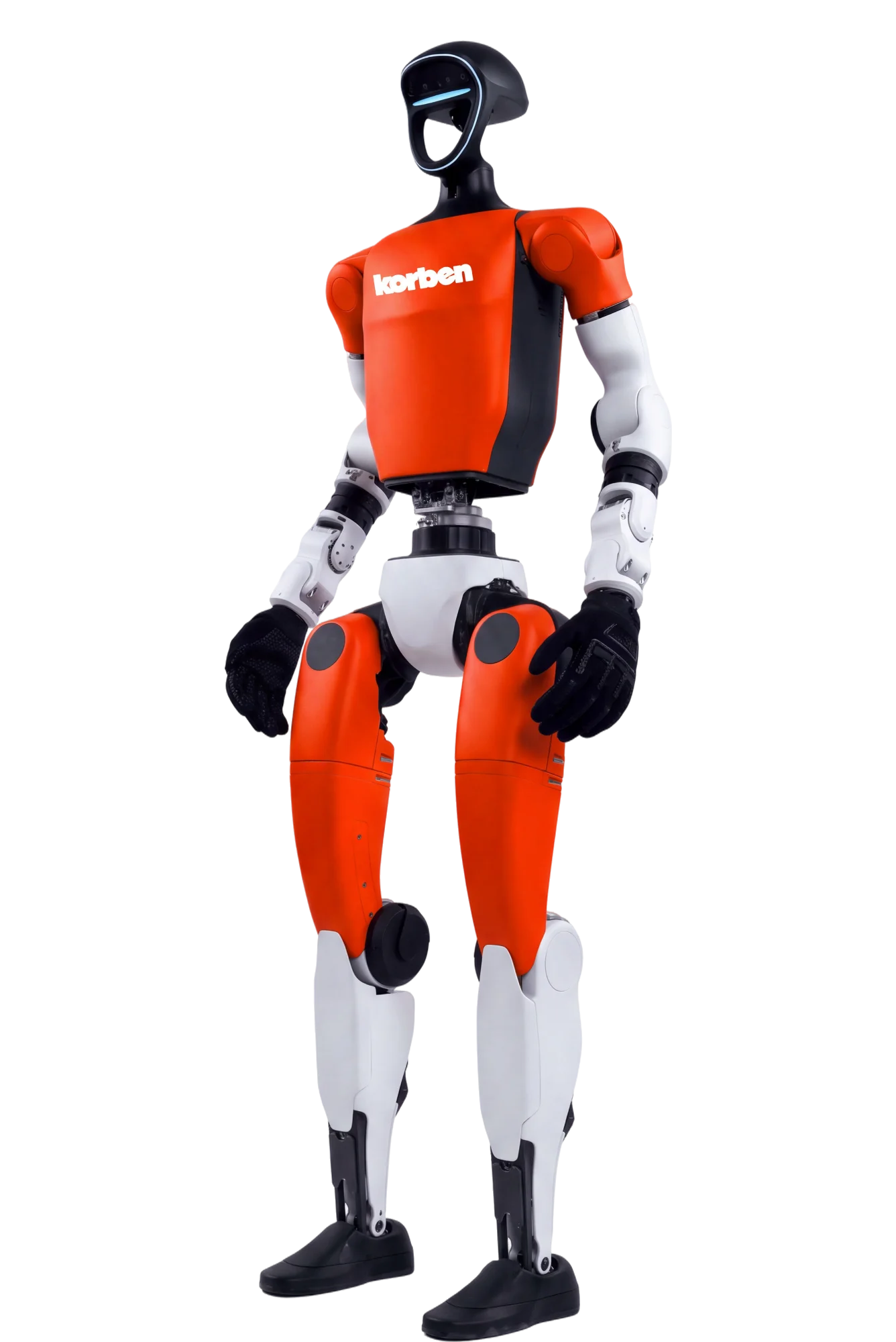
A compact humanoid,
open to development.
Thirty-five kilos, 1.27 meters standing, and an EDU version your teams can program with up to forty-three degrees of freedom.
 Runtime≈ 2 h
 Walking speed2 m/sLoad per arm≈ 2 to 3 kg
 Weight with battery≈ 35 kg
Folded, it fits in 690 × 450 × 300 mm: you can take it from one site to another.
Twenty-three degrees of freedom on the Basic version: six per leg, five per arm.
The EDU version is driven by your developers: up to forty-three degrees of freedom, an optional three-finger hand and an NVIDIA computer.
Standing dimensions: 1,270 × 450 × 200 mm
Two versions: Basic for basic movements, EDU for programming your own scenarios, with up to forty-three degrees of freedom.
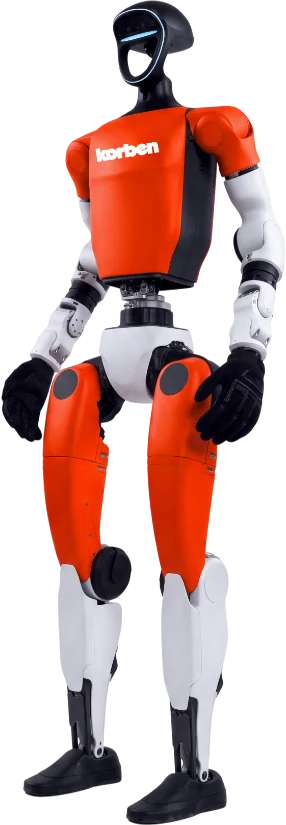
Let’s set up an Aura G1 demo and define together the scenario to explore at your site.
Arrange a trialWith our platform, all your Korbens work together.
“The value isn’t just in the robots, but in our French software that gets them working together.”Lucas Goumarre, co-founder of Korben For People
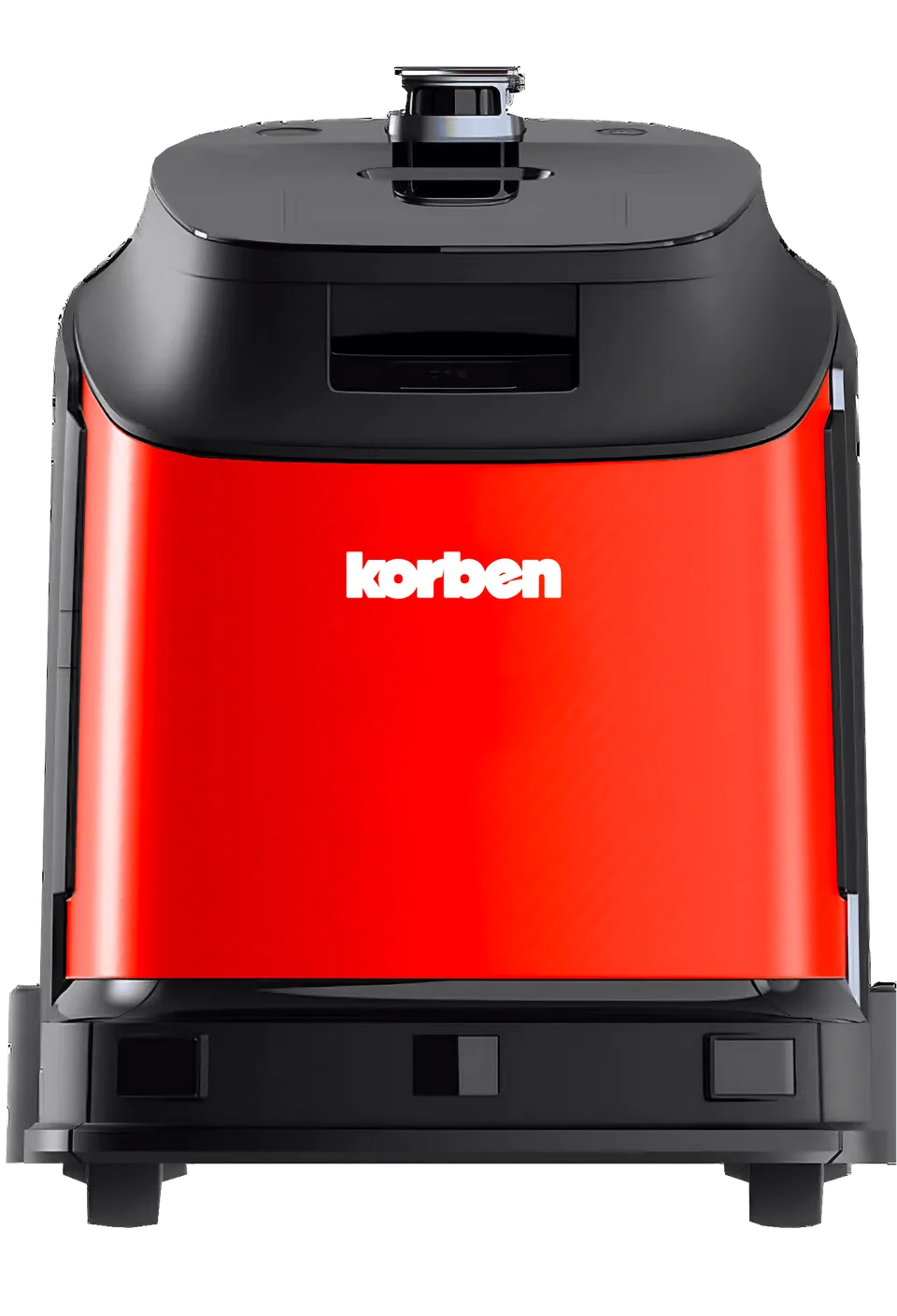 CleaningCleaning Phantas
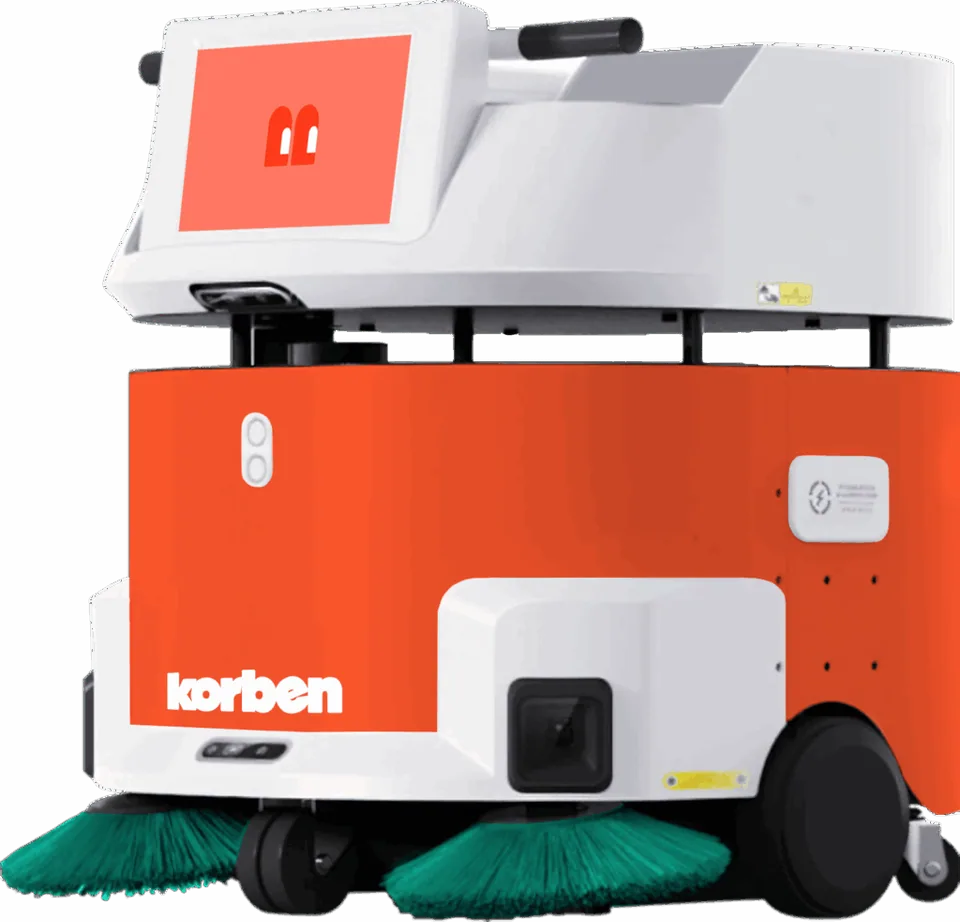 CleaningCleaning 55
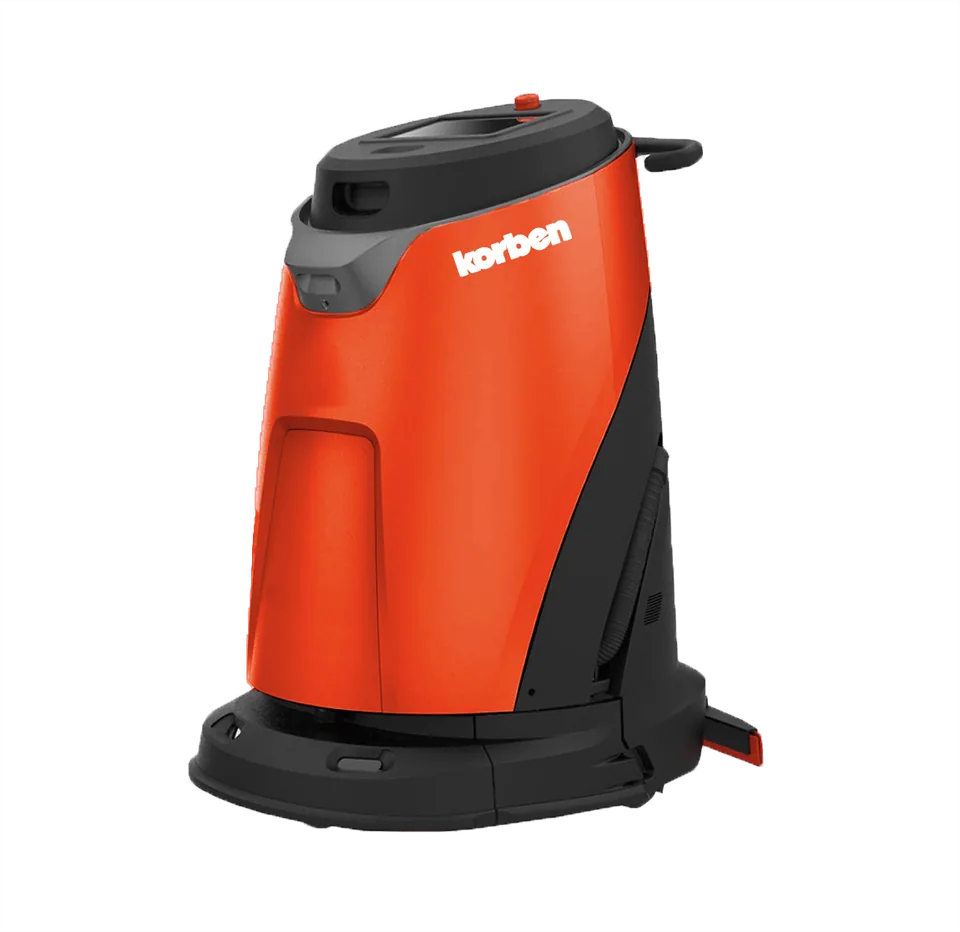 CleaningOmnie
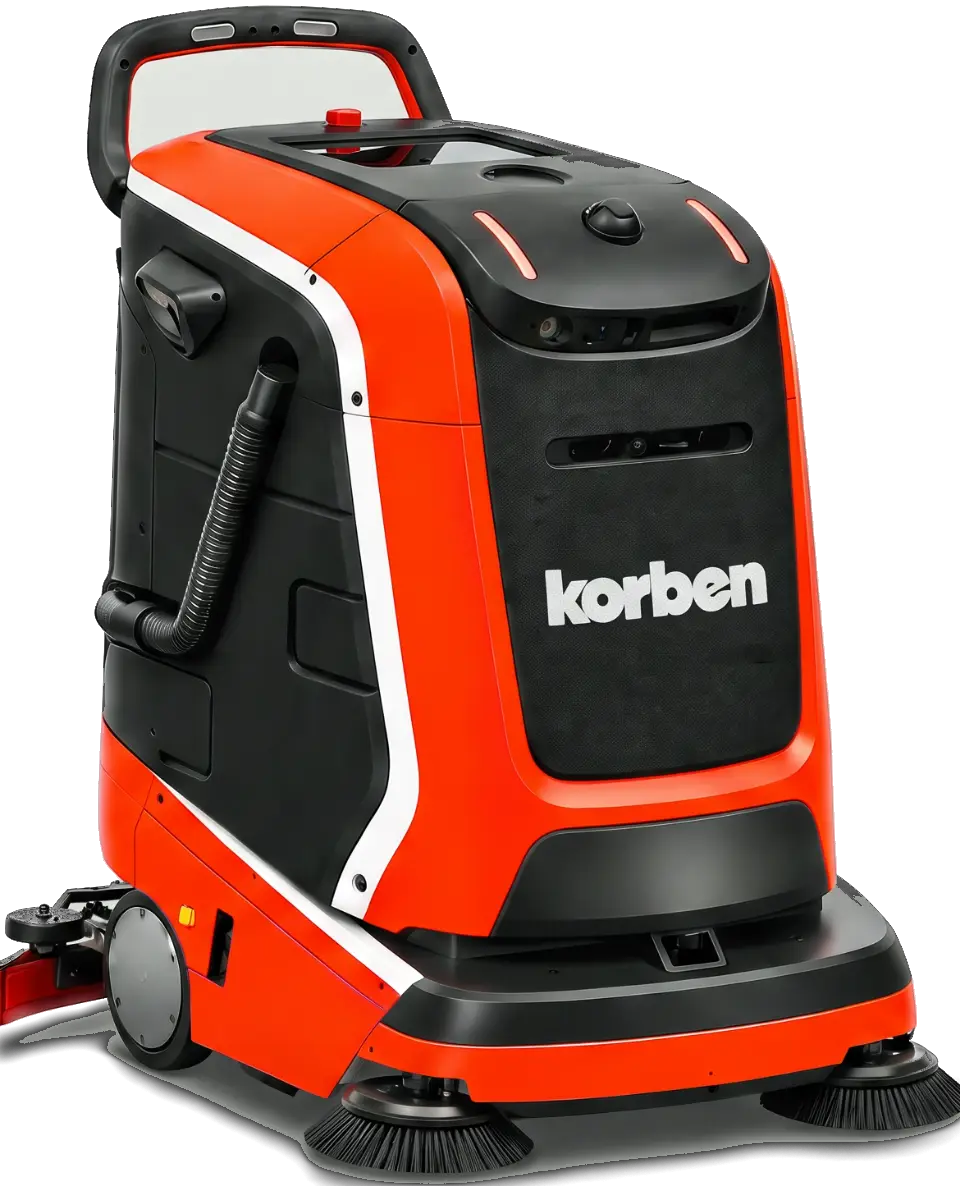 CleaningMira
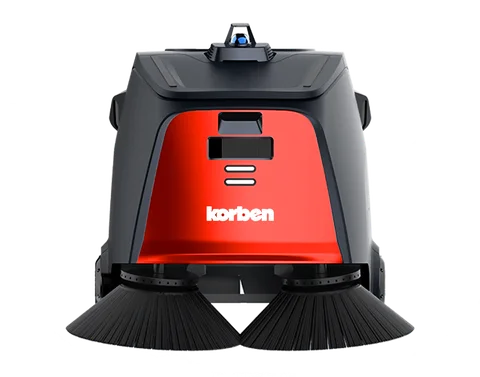 CleaningCleaning Beetle
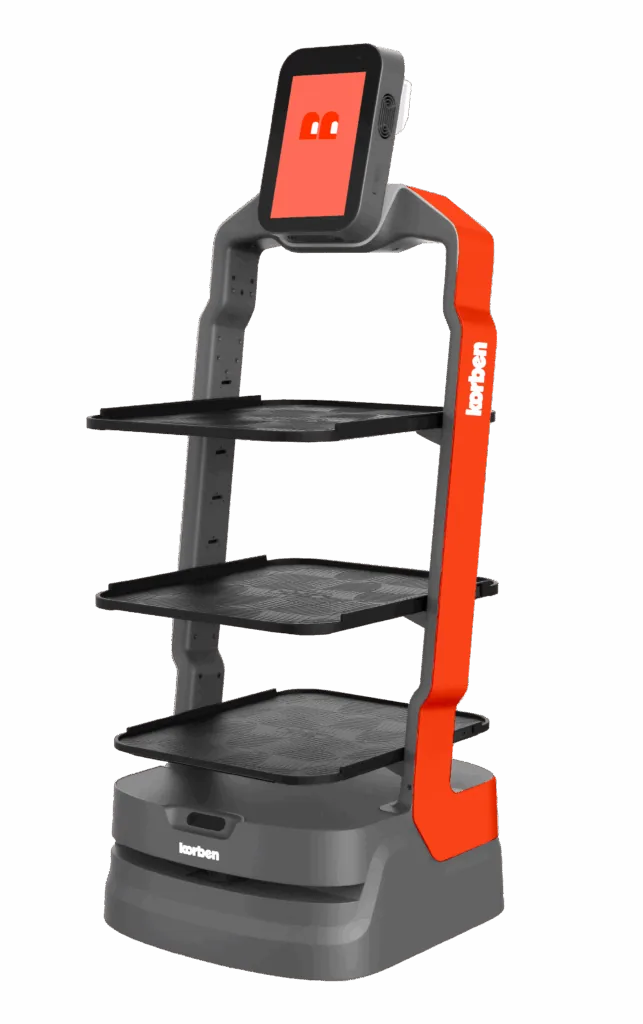 DeliveryDelivery
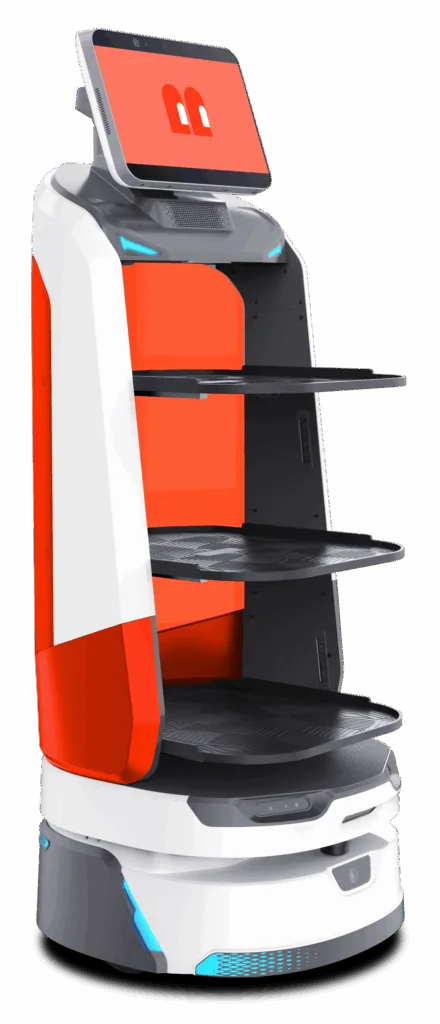 DeliveryDelivery Pro
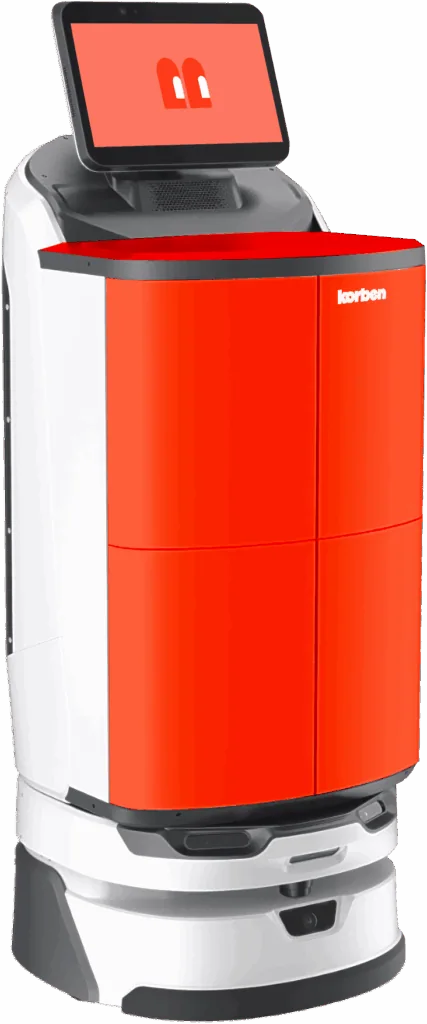 DeliveryDelivery Pro Autodoor
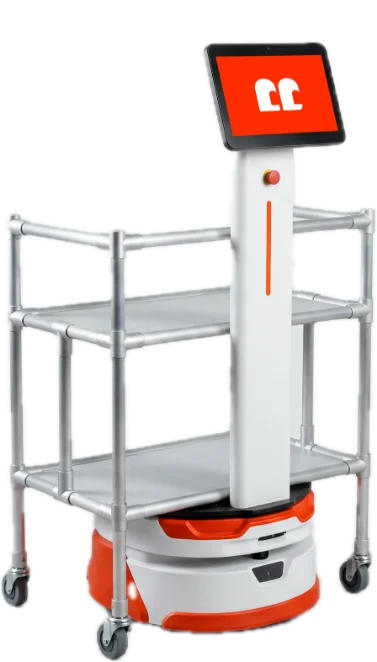 DeliveryDelivery Carry Bot
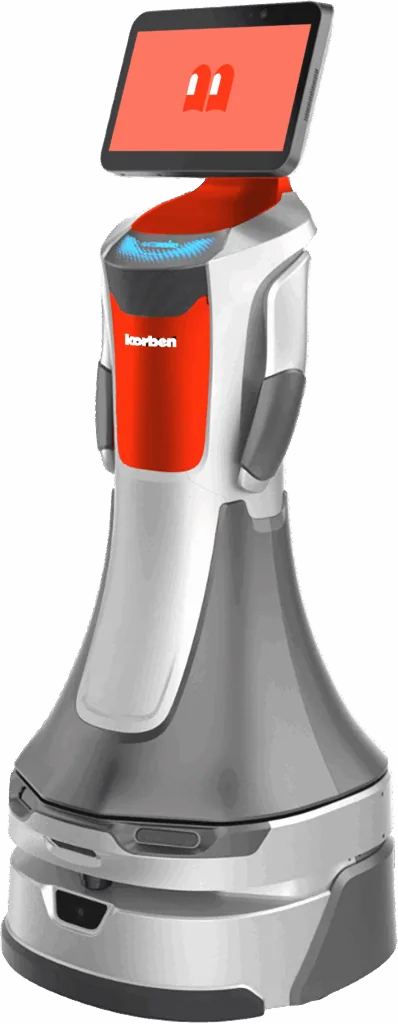 ReceptionWelcome Nova
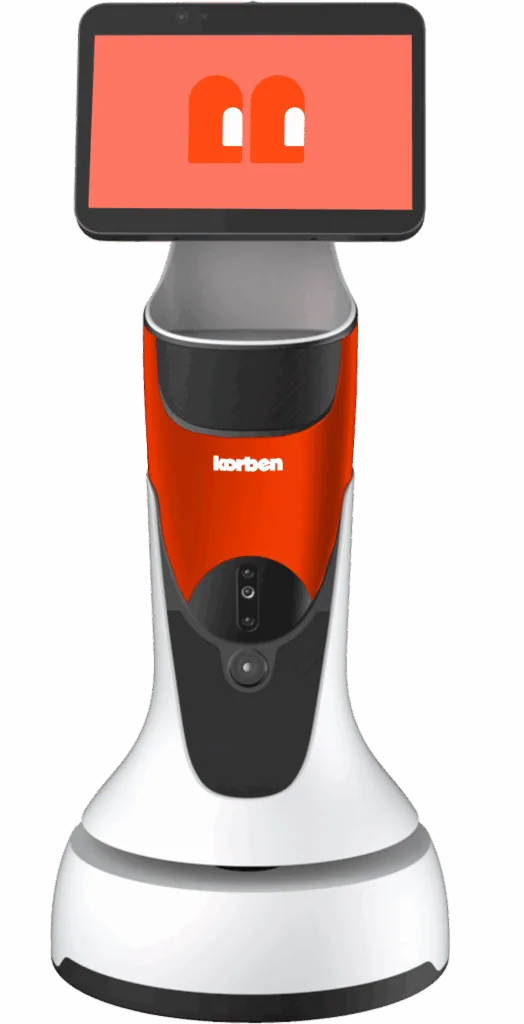 ReceptionWelcome Mini
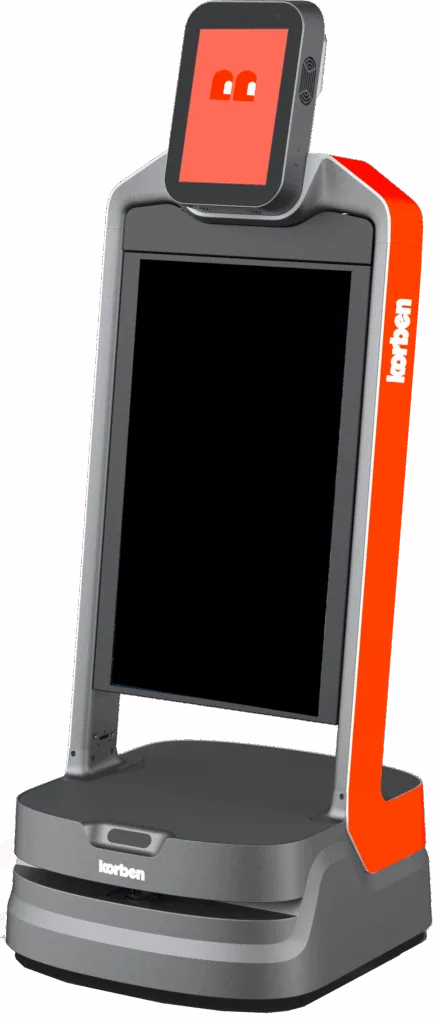 ReceptionWelcome Plus
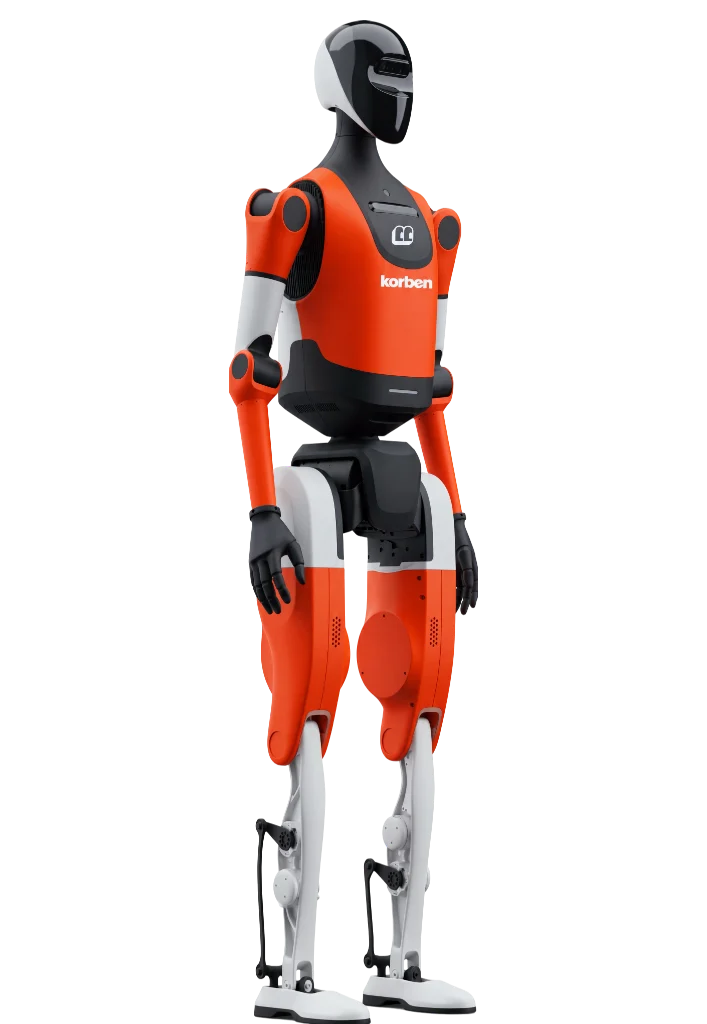 Specialized robotsAura E
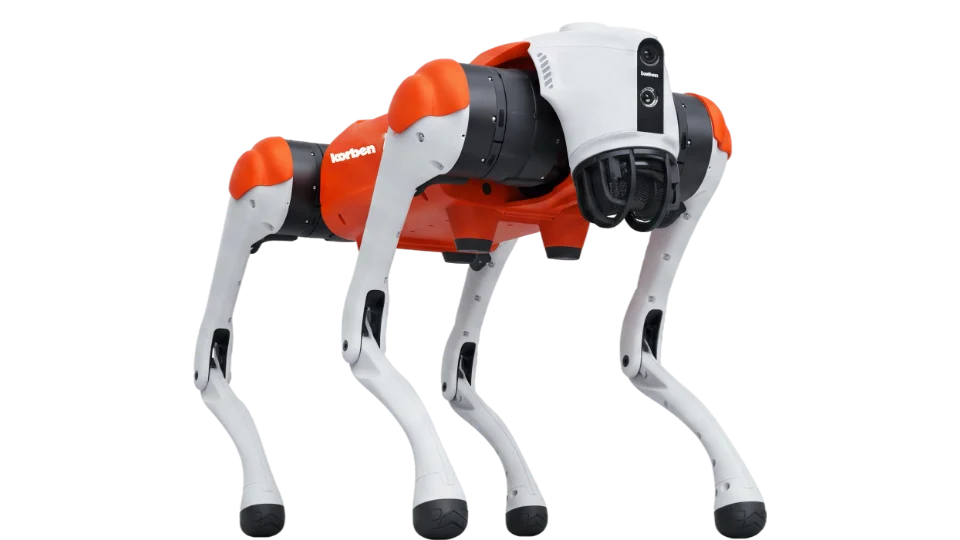 Specialized robotsAtlas O2
 Specialized robotsTriBot
The Aura G1 is the Unitree G1 humanoid robot. It stands 1.27 m tall and weighs about 35 kg with its battery.
Expect about 2 hours for the Basic and EDU versions. The 9,000 mAh battery is removable.
Basic offers 23 degrees of freedom and basic movements. EDU offers 23 to 43 degrees of freedom depending on options and supports secondary development.
The stated maximum load per arm is about 2 kg for Basic and 3 kg for EDU. A three-finger hand with force control is available as an option on EDU.
Both versions come with a depth camera and a 3D LiDAR. They have Wi-Fi 6 and Bluetooth 5.2.